
What is Bitcoin?
The world's first cryptocurrency. A peer-to-peer payment network powered by its users, with no central authority or middlemen.
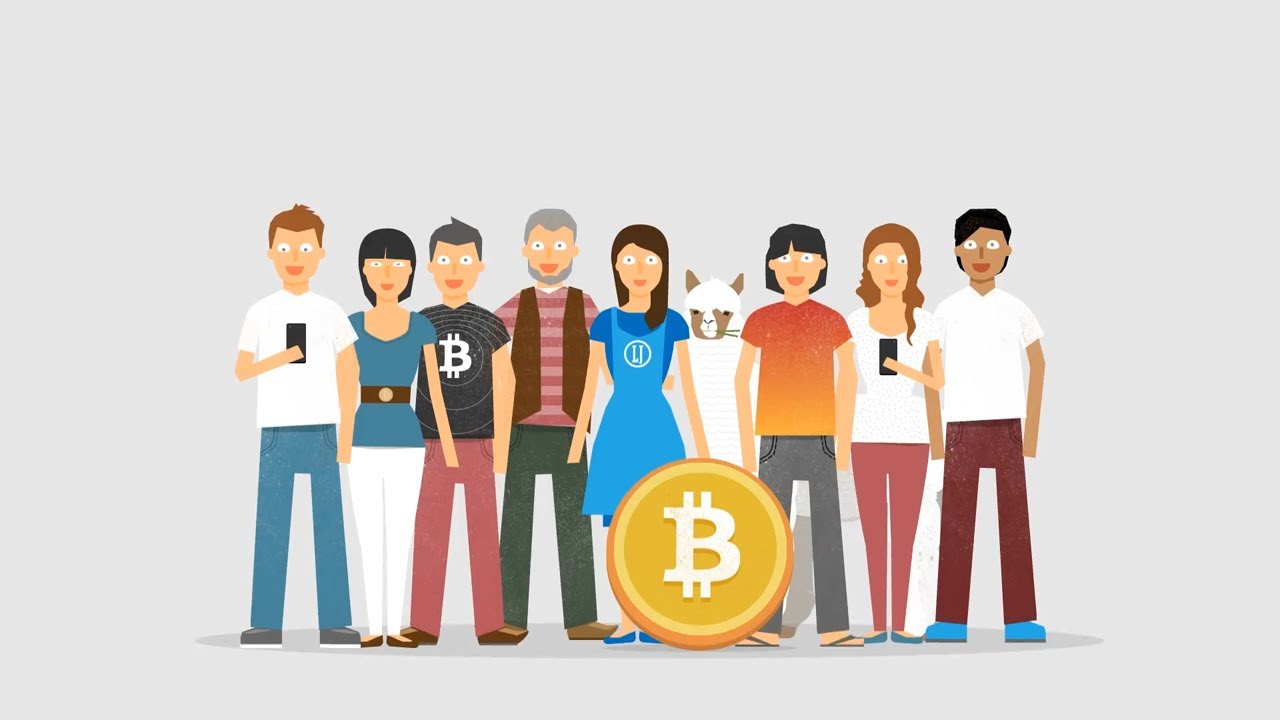
How Bitcoin Works
Bitcoin (BTC) was created in 2009 by an anonymous person or group using the pseudonym Satoshi Nakamoto. From a user's perspective, Bitcoin is simply a mobile app or computer program that provides a personal wallet and lets you send and receive bitcoins.
Behind the scenes, the Bitcoin network shares a massive public ledger called the blockchain. This ledger contains every transaction ever processed, allowing any user's computer to verify the validity of each transaction. Digital signatures protect the authenticity of each transaction, giving all users full control over their funds.
Bitcoin uses a Proof of Work consensus mechanism, where miners compete to solve mathematical puzzles to add new blocks to the blockchain. Miners receive newly created bitcoins plus transaction fees as a reward. The block reward halves approximately every four years in an event known as the "halving," creating a predictable, diminishing rate of new supply.
Maximum supply cap. No more bitcoins will ever be created beyond this fixed limit.
Year the Bitcoin network launched. Operational without interruption ever since.
Average block time. New transactions are confirmed roughly every ten minutes.
Why Bitcoin Matters
Properties that make Bitcoin fundamentally different from traditional money.
Decentralized
No single entity controls Bitcoin. Transactions are verified by a distributed network of computers and recorded on a public, tamper-proof blockchain.
Scarce
Only 21 million bitcoins will ever exist. New supply enters through mining at a predictable rate that halves every four years.
Open Source
Anyone can review the code, contribute to development, or run a node. Transparency is fundamental to the trust the network has earned.
Borderless
Send any amount to anyone in the world, any time. No permission needed, no borders, no bank holidays.
Secure
Backed by the largest computing network in the world. Bitcoin has never been hacked at the protocol level in over 15 years of operation.
Transparent
Every transaction is publicly recorded on the blockchain. Anyone can verify supply, transactions, and network health at any time.
Getting Started
1. Learn the Basics
Understand how Bitcoin works, including the blockchain, mining, private keys, and the principles of decentralized digital money. Take time to learn about security best practices before handling significant amounts.
2. Choose a Wallet
Select a Bitcoin wallet based on your needs. Mobile wallets are convenient for everyday use, desktop wallets offer more features, and hardware wallets provide the strongest security for long-term storage. Always back up your wallet's seed phrase and store it securely offline.
3. Acquire Bitcoin
Purchase Bitcoin through a cryptocurrency exchange, Bitcoin ATM, or peer-to-peer marketplace. You don't need to buy a full bitcoin. Bitcoin is divisible to eight decimal places, with the smallest unit (0.00000001 BTC) called a satoshi.
4. Secure Your Holdings
Transfer your Bitcoin to a wallet you control rather than leaving it on an exchange. For significant holdings, consider a hardware wallet or multi-signature setup.
Bitcoin Wallets
Hardware Wallets
Hardware wallets such as Ledger, Trezor, and Coldcard store your private keys on a dedicated device that never exposes them to the internet. This is the gold standard for Bitcoin security and is recommended for any significant holdings.
Mobile Wallets
Mobile wallets such as BlueWallet, Phoenix, and Zeus provide convenient Bitcoin management on your phone. Many now support the Lightning Network for instant, low-fee transactions.
Desktop Wallets
Desktop wallets like Sparrow, Electrum, and Bitcoin Core give you full control on your computer. Bitcoin Core is the original full-node software that downloads and verifies the entire blockchain. Sparrow and Electrum are lighter-weight options with advanced features.
How to Buy Bitcoin
Bitcoin can be purchased on hundreds of cryptocurrency exchanges worldwide, including Coinbase, Kraken, and many regional platforms. Most exchanges require identity verification. You can buy with bank transfer, debit card, credit card, or other payment methods depending on the platform and your location.
For more privacy-preserving options, Bitcoin can be acquired through peer-to-peer marketplaces, Bitcoin ATMs, or by earning it in exchange for goods and services. The Lightning Network has also made it easier to receive small Bitcoin payments instantly with minimal fees.
Resources
- Bitcoin.org, official community resource
- Bitcoin Core GitHub, source code repository
- Developer Documentation, technical reference
- Mempool.space, block explorer and fee estimator
- Bitcointalk Forum, community discussion
- Original Whitepaper, Satoshi Nakamoto's 2008 paper
- Whitepaper PDF, local copy
Ready to Get Started?
Learn how to set up a wallet, buy your first bitcoin, and start using the network.