
The following is a transcript from Episode 244 of the Tim Ferriss Show: The Quiet Master of Cryptocurrency with supporting documents and diagrams added to improve the learning experience. It was created using our Podcast to Blog tool. The affiliate links were changed to Tim’s to support his content. Manual changes were made for clarity where multiple people were talking at the same time. Many niche words in the crypto realm weren’t transcribed correctly and had to be manually corrected.
Tim Ferriss boys and girls.
This is Tim Ferriss and welcome to another episode of the Tim Ferriss show where it is always my job to tease out the habits routines philosophies favorite books etc. from world class performers so that you can test each of those in your own life and guests range from say those in business sports military all the way to the esoteric and sometimes very unexpected. And this guest checks a lot of boxes. His name is Nick Szabo.
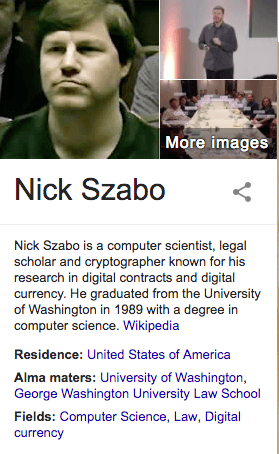
That’s S-Z-A-B-O. So many of you may not recognize his name but hopefully by the end you’ll want to know everything that he puts out and read every essay that he puts on the Internet. He is a polymath. The breadth and depth of his interests and knowledge are truly astounding and I mean jaw dropping. It’s just beyond belief what this guy can cover.
He’s a computer scientist legal scholar and cryptographer best known for his pioneering research in digital contracts and cryptocurrency and I’ve long been fascinated by cryptocurrency but secretly not really understood anything about it or certainly the subtleties. And this episode is really a master class so we go from the very very basic all the way up to the cutting edge. And what the future holds.
Nick for instance developed the phrase and concept of smart contracts with the goal of bringing what he calls the highly evolved practice’s of contract law and practice to the design of electronic commerce protocols between strangers on the internet.
Nick also designed bit gold which many consider the precursor to bitcoin. This particular conversation is co-hosted by one of my favorite people Naval Ravikant a mutual friend and one of the most successful investors in Silicon Valley who also happens to be one of Nick’s biggest admirers.
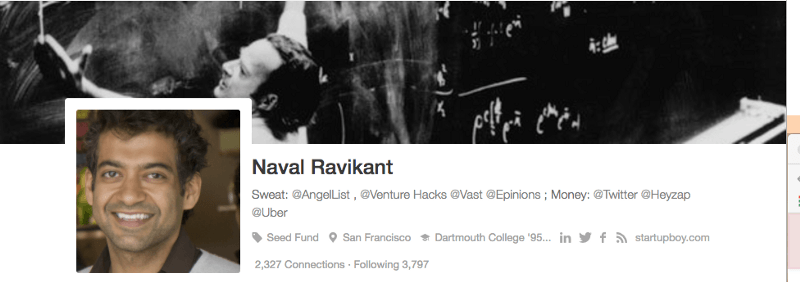
And for those who enjoy Naval here you may also enjoy his first episode with me from 2015 which was voted on product hunt the second best podcast episode of the year across all podcasts with the exception of my Jamie Foxx episode.
Take a listen to that if you like. It’s called the evolutionary Angel episode. Tim.blog/naval . But let’s get back to how much we cover with Nick because it’s a lot. And you need not be intimidated. You don’t need to be a computer scientist. I am not. You don’t know anything about currency. I know very little. But we get into the history money.
We talk about bitcoin what it is. What cryptocurrencies are and what problems they solve. We define social scaleability what is that and why is it important what is Ethereum. What makes it unique strengths and weaknesses. We talk about different types of crypto currencies we talk about things calling for instance alt coin. What the hell is that. We get into it what are ICOs initial coin offerings.
We talk about who might invest or not invest and certainly this is not investment advice it’s for informational purposes only. So talk to your financial professional before allocating resources or money anywhere. Okay cover my ass. Good. How will smart contracts actually get adopted or go mainstream. Right. If you think of say Bitcoin is something that is very fringe. When will it hit the tipping point. What might the elements be that will lead to that blocking governance. Is there any existential risk.
Could governments or regulators shut down something like Bitcoin what is wet code versus dry code. This is a super super cool distinction that I really enjoyed what are Pascals scams or quantum thought. We dig into all sorts of nooks and crannies including what Nick might work on in the future. What fields does he want to explore and so on. So this was to me a really really fun and mind expanding conversation you do not need to be technical or an engineer to enjoy it and get a lot out of it because at the core we are really looking at how to people who are very very smart.
Meaning Nick and Naval process the world and what lenses they use to view the world and how that dictates their actions and how they get better results. So if you want more from Nick and we’ll talk about this at the very end of the conversation also but you have to check out the essays on his blog which is called an unenumerated unenumerated.blogspot.com.
But that can wait for later and then you will know why. Many of the thought leaders in Silicon Valley and around the world really pay a lot of attention to Nick. So without further ado please enjoy this wide ranging conversation with Nick Szabo.
Tim: All right gentlemen I think the hour has arrived. Welcome back.
Naval:Thank you it’s good to be back once again.
Tim: Nick pleasure to meet you.
Nick: Nice to meet you.
Tim: And I’m very excited and also intimidated by the conversation we’re about to have is context for people listening. We’re going to delve into some subjects I have an acute interest in. But extreme ignorance of so I’ll let Naval do a lot of the driving. And I figured a place we could start is at the beginning at least where you guys met. So how did you two first connect?
Naval: Yeah like most of my close relationships these days I formed them on Twitter.
And I think of Twitter as the place where I go to to have a great conversation when I can’t have one locally which seems to be all the time and the more time that I spend on Twitter the more I sort of curate this incredible group of very intelligent people that I just get to know purely through the quality of their thoughts. And so I think when I was getting into cryptocurrencies and blockchains doing my homework on it I stumbled across a blog called unenumerated and maybe Nick can go into it the origins of that word are.
But it was obviously written by a polymath someone who wrote about everything I got into the blog and then I started following the author which was Nick on Twitter retweeted a few tweets and got into little bite size 160 character conversations and here we are.
Tim: How is that relationship developed. In other words how are we here today. And you could take a stab at that. Yeah Nick’s going to do plenty of talking And certainly have him chime in. But if you want to if you want to lead us to how we ended up here today.
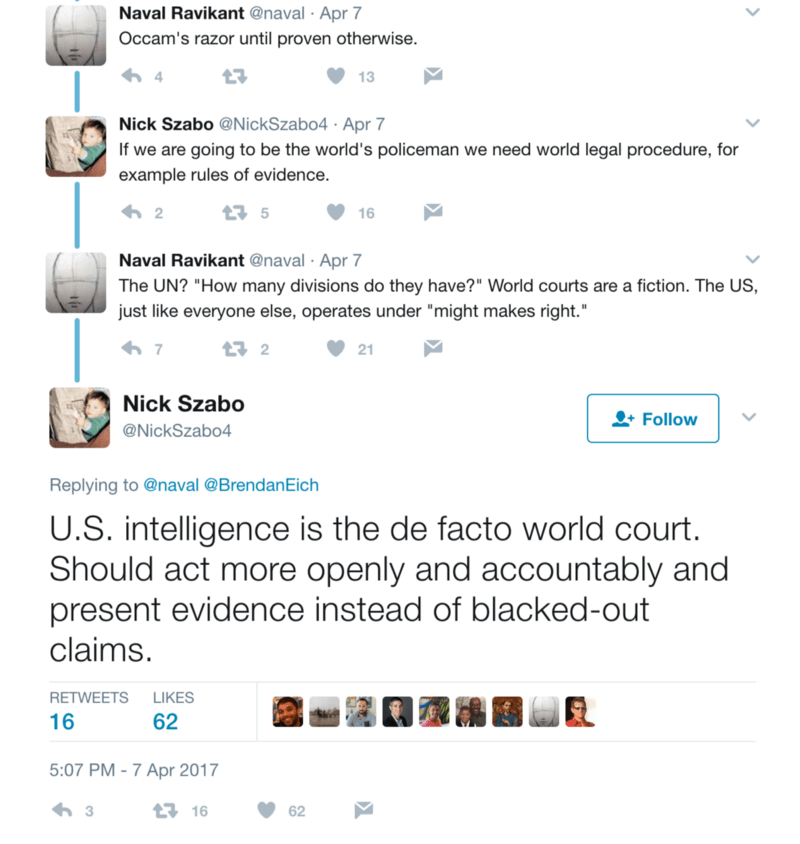
Naval: Yeah I mean what is this more and more tweeting back and forth. Reading Nick’s articles. There’s one that he put up recently around social scalability which I thought was literally mind blowing.
Like I thought I knew a lot about crypto currencies but it really just helped me reframe what I knew in a better mental model.
You know Charlie Munger talks about mental models so I’ve actually picked up at least four or five mental models from Nick which I think is more than I may have from any human being other than Charlie Munger.
I was tweeting out sections of that article then somebody said Well Nick and Naval should do a podcast. And I was like Nick would never do a podcast with me. That Nick said sure I’ll do a podcast so here we are.
Tim: Nick could you maybe help us with some definitions. Cryptocurrency there are a number of other words they’re going to come up a lot and these are words that. I feel at many dinner parties in say Silicon Valley. People will not ask about because they’re afraid they’re the only ones at the table who don’t actually know how to define it. Since I can’t play the part of knowing what I don’t know in this case what is cryptocurrency And how did you become interested in it or start thinking about it.
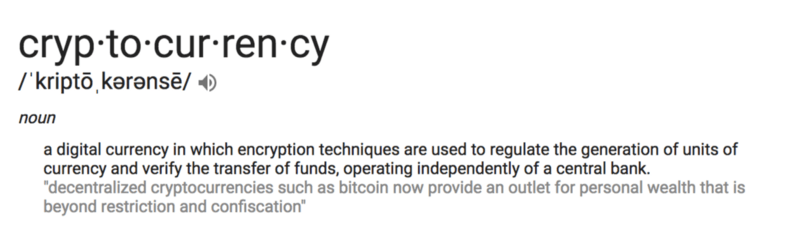
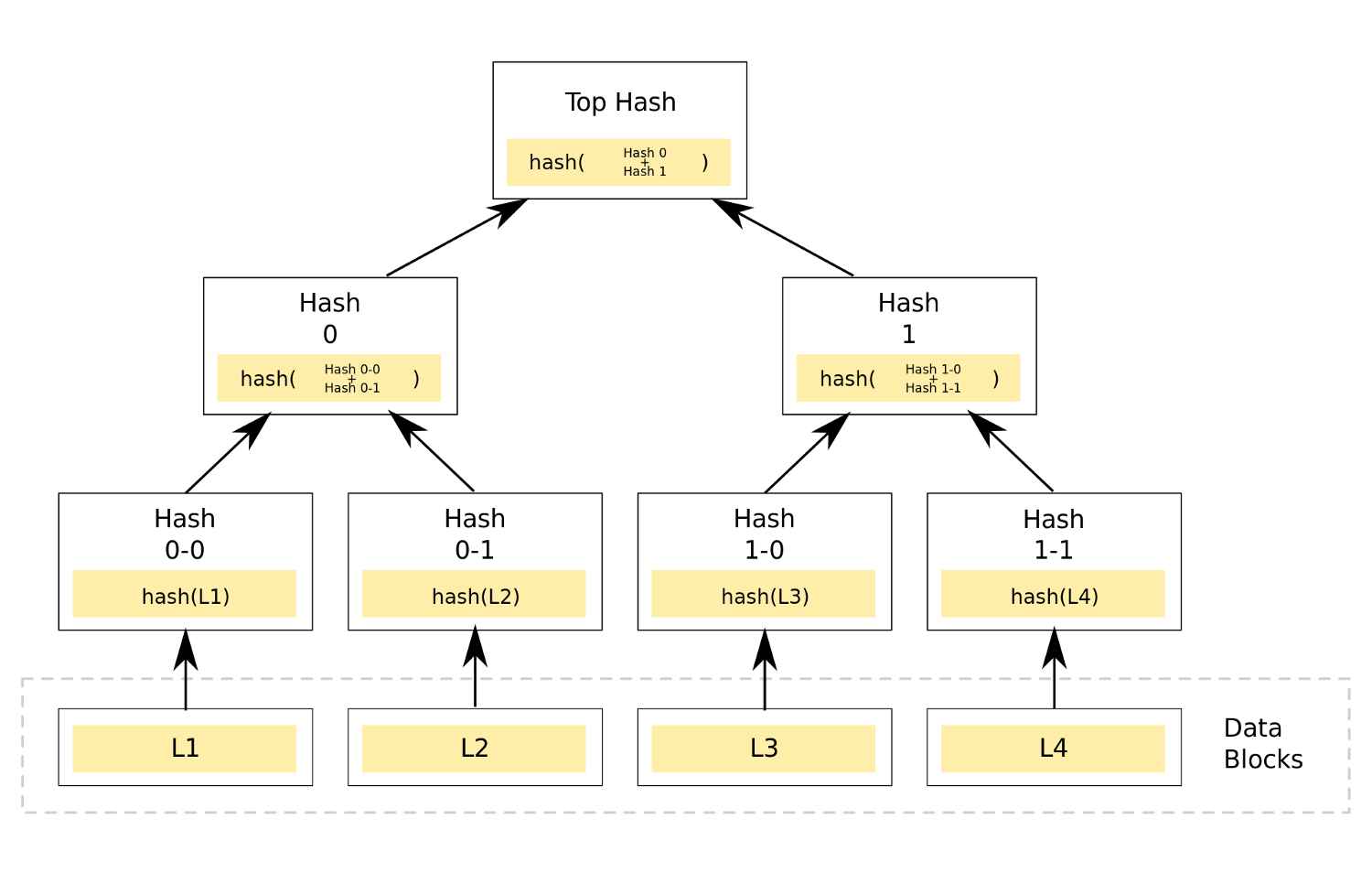
Nick: Cryptocurrency as the name suggests it’s protected by cryptography and in particular the modern cryptocurrency like Bitcoin and Ethereum so forth are protected by their integrity is protected by cryptography a structure called a Merkle Tree that you can think of it as a fly getting trapped in amber.
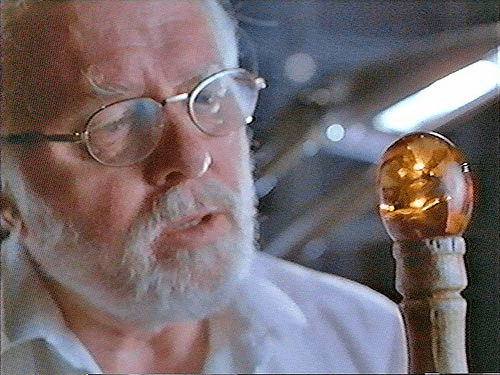
You say I shot JFK and then put it through this process of the Merkle Tree putting it on the block chain. Then it’s there you can’t. And you’ve signed it with your with your private key then you can’t later deny. Oh I didn’t say that. That allows you to like make a statement. You know I’m paying such and such amount of Bitcoin to somebody else and then put it there. After a few cycles called block times which takes about 10 minutes each gets exponentially more difficult to deny or take back that that this transaction took place.
Tim: How did you first begin thinking about this. These types of constructs or. Any of this really. Where did the interests begin?
Nick: Well we had a group called the cypherpunks back in the 1990s. Tim and Eric Hughes and John Gilmore and so forth and Tim May so partly this is a political that Tim May had a a vision of Galt’s Gulch in cyberspace of any of your audience or Ayn Rand fans they’ll recognize the reference to Galt’s Gulch of this place you can go to get away from things and do your business without outside interference.
In the book that was like a physics fantasy but Tim goes well we have strong cryptography now so we can do that. And I thought well yes but you still want to do things like enforce contracts and protect property and so forth. So I started thinking about him and to some extent some other people started thinking about how to apply computer science to um to protect your business in cyberspace.
Tim: This bleeds into I did just enough reading to hopefully have questions to ask one to read so much that I left out basic fundamentals for people cryptography if most people think that they hear that word maybe the exposure they’ve had is watching a movie that involves an enigma machine or something like that. But what is cryptography?
Nick: The original cryptography is if you saw that movie is keeping secrets. In this case in that movie the Nazis failing to keep secrets from the British and Allen Turing because their cryptography wasn’t strong enough but these days you have really strong cryptography so breaking it and that brute force manor like they broke the Nazi codes is pretty unlikely these days.
There are some other things you can do like take people’s private keys and so forth but the brute force attack doesn’t work anymore. I mean there are some old ciphers where we’re starting to work. But as long as you have the latest stuff like Bitcoin does and then you’re fine.
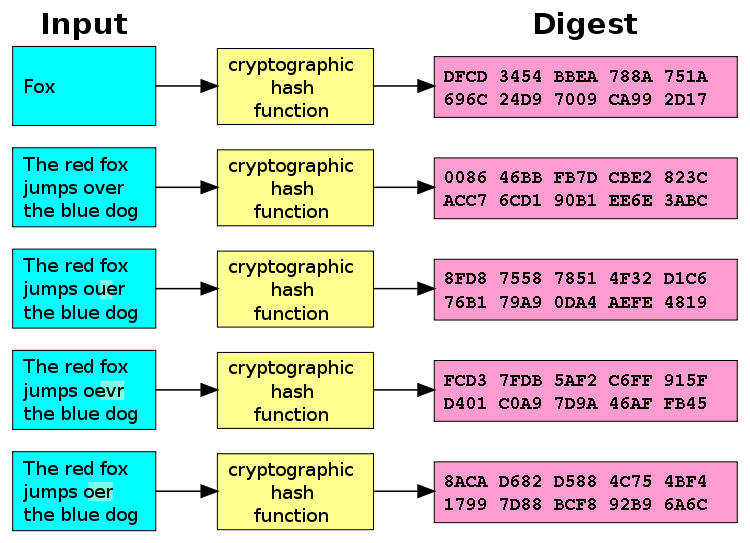
Naval: Yeah I would say it’s like basically keeping secrets through mathematics. And there are many many breakthroughs that enable crypto currencies. But one of the key things to understand in cryptography is this concept of one way encoding one way hash functions. Basically I can take some data run it through a mathematical transformation and what comes out of the other side is really hard to undo it’s really hard to work backwards. It’s kind of a one way thing.
Tim: So is when people send encrypted email through say PGP or something. Yeah. Is that an example of that.
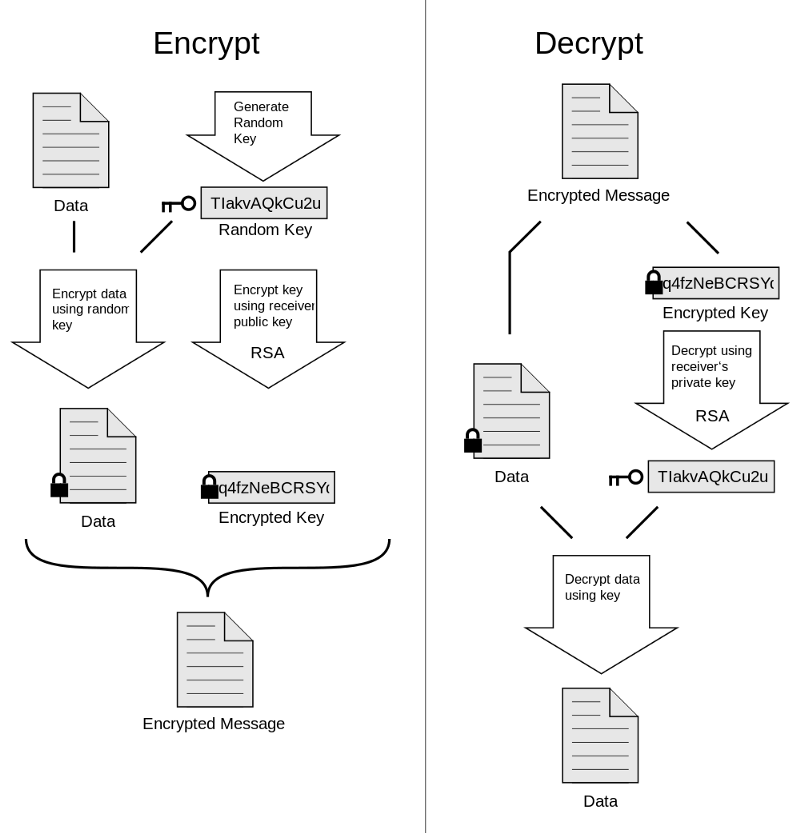
Naval: Basically what I’ve done in the old days if I was encrypting something we would both have the same key. Right. And so I would have a key that I would take your key, I would encrypt with your key send it to you. You have the key you can decrypt with a key but the problem is how do I figure out what your key is how to figure out how to encrypt it and because your key can both encrypt and decrypt.
So if I had a hold of your key then I could open the message. So was very unsafe to transmit that key. And so one of the innovations that came along with this idea of splitting the key into a public key and a private key so private keys what you hold onto that can decrypt and encrypt stuff your public key on the other hand other people can encrypt to it for you but they can’t use it.
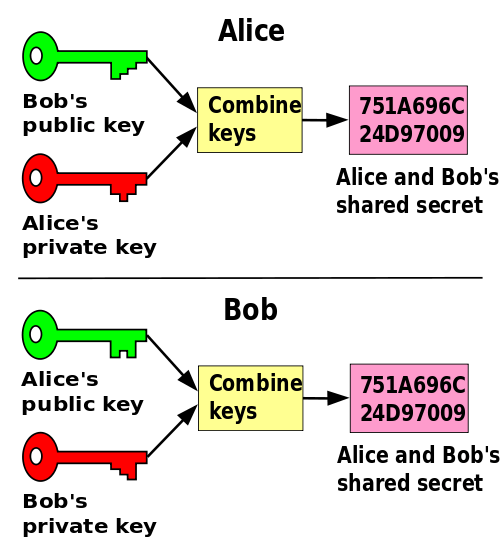
Tim: I got it write only it’s a write only
Naval: It’s a one way kind of thing. So I mean this is probably beyond the scope of this discussion but it’s worth digging a little bit into what are called one way hash functions and public keys and private keys because they underlie a lot of cryptography and they seem like complicated concepts but they’re not that complicated.
And I would argue this is one of those mental models that you kind of have to figure out to start operating the modern technological world but crypto currencies essentially use these one way hash functions to make statements like “I gave Tim $10.” Right so if I said I gave you $10. Normally we need a central authority to verify that the bank has to verify that the central bank has to verify it.
Tim: Well this leads to the question of and I’m not going to interrupt beyond this but why. Why create cryptocurrency. Why is it important. What are the benefits.
Naval: Yes. I mean one huge benefit is we don’t need any. A trusted third party to verify that transaction. We can do it in the cloud through a distributed network which is kind of what the cryptocurrency does. But I’ll let Nick talk more about this but he had a great quote that I think is very relevant where he said this is the dawn of trustworthy computing.
Right because before this computer is kind of untrusted. Like if I send you money from my computer to your computer we’re really relying on Visa and the banks and a bunch of intermediaries to actually say yes the money got to you and the money is no longer mine.
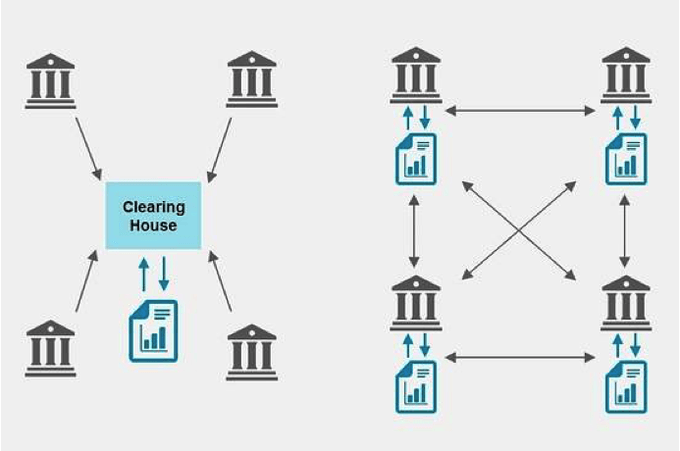
But computers don’t like to operate like that computers you know computer code especially stuff that’s running in the cloud on its own shouldn’t have to rely on an off line wet space meatspace institution to enforce that kind of thing. So cryptocurrency currencies take the concept of money and they take it native into computers where everything is settled with computers and doesn’t require external institutions or trusted third parties to validate things
Tim: Just to try to paraphrase from my own understanding.
In other words you don’t have to say trust a stranger to do something you don’t have to trust a central authority to be the arbiter of whatever decisions are being made or implemented. It’s built into the technology itself. Why is cryptocurrency important to you.
Nick: So it’s important for I think the partially political reason to gain more independence of your life from these institutions. And it just creates new capabilities like somebody now in Guatemala can pay somebody in Canada without using an intermediary New York City or something that’s just greatly advantageous for global commerce. I think.
Naval Ravikant: Yeah. So if I can just dig into that a little bit more definitely dig in.
Tim: I also at some point because this word has plagued me for a few years now. Blockchain I do not know what it means and I don’t know why it’s called block chain.
Naval: I see Nick’s earlier analogy of fly getting trapped in amber is kind of brilliant. Like if you see a fly in amber and it’s got you know a millimeter of Amber around it. Well that could have been done yesterday or you know a year ago but if you see the fly is trapped in a huge block of Amber you know it’s been there for a long long time it’s been accumulating.

So a block chain is a series of blocks. Each block is a series of computations done by computers all over the world using serious cryptography in a way that’s very hard to undo.
So each block is like another thin layer of Amber. I see. And the chain of blocks represents the depth of that Amber or how long that fly has been trapped in and therefore how you can trust that on a signal anything deep down in the blockchain is mathematically cryptographically and just economically impossible to undo.

Tim: Got it. OK.
Naval: You shouldn’t use words like impossible in cryptography is all the same probable improbable.
Tim: What are some other core concepts that people should understand just as the cryptocurrency 101 or currency 101. I mean depending on where you want to go with not even one to start.
Naval: But what is money. Sure. Because we’re throwing around the word currency and money and people talk about gold and store of value and you know Nick actually created Bit Gold which was some would argue a critical foundational predecessor to Bitcoin.
Bitcoin had an additional breakthrough or two that it implied that Bit Gold did not. But that gold was that giant on whose shoulders bitcoin it stands. And Nick also created both the phrase and the concept and the theory behind smart contracts which we’re now starting to hear about in the context of other cryptocurrency is that a theory.
But I think we should just this is a complicated enough topic that is worth starting with like what is money. If you ask 10 people on the street what money is you probably get 10 different answers. Sure. So I think it’s important just to be rigorous about that.
Nick: And if you ask a lawyer you will get an answer that is radically different than if you ask an economist as well if you ask a lawyer they’ll say something like an official government currency. So of course Bitcoin and gold you can’t write checks for those because those are not legal official government currencies. So that’s the kind of narrow modern legal definition.
Economists use the definition of medium of exchange which is a much broader definition but that also assumes that you know the only important transactions are people exchanging things which are in our modern economy is a good assumption. But if you actually go back to the origins of money which I’d like to study you find things like inheritance and compensation for injury as equivalent to a modern lawsuit but not necessarily with governments and courts more like wars to enforce the fourth verdict and Bridewell.
There’s certain fitness critical critical to a Darwinian fitness that other animals can’t do that humans can and that form of I like to call it collectables because I’ve extended the definition money far broader than probably an economist would want to but so I called collectibles. It’s very similar.
So the euro Indians for example use shells too and they would have tattoo marks on their arm. There are serious about their shells they would have tattoo marks on their arm to measure the length of shells and that told you the denomination the value of how valuable that shell was which corresponds how scarce it was in nature. And they would use these for inheritance for injury compensation for bride wealth and so forth.
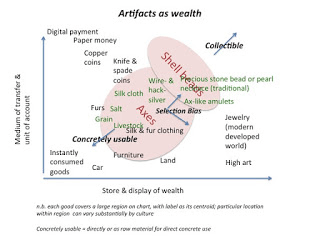
Naval Ravikant: Yes it sounds like you know. So I think that the common theory is that humans have only been using money for a few thousand years. But I think some of the work you’ve done on origins of money shows that actually it’s hundred thousand years.
Nick Szabo: You know you can go back in the archaeological record and it’s a puzzle for a hundred thousand years in our Darwinian world that people lived in.
Why people do something so frivolous as you know adorn themselves with shell necklaces. Yet those are among the most common artifacts right up there with axes practical axes that you use to cut things in the archaeological record.

Naval: Yeah. So I mean the money thing like I’ve also tried to wrap my head around this. And as Nick said economists would say it’s a medium of exchange as the historical record shows it’s a store of value. So even if you’re not exchanging it you just want to store value. You may not want to store bread or rocks or houses so you store…
Tim: Or they me impractical to transport.
Naval: Exactly. And then it’s also a unit of account. So in other words like you have to denominate prices and something I’m not going to tell you how many loaves of bread a car costs. So I need to be able to just pick a unit of account to…
Tim: Don’t judge. I only have that occasionally
Nick: So it is all of those things. And I think one of the places where people fall down on cryptocurrency they say well no one’s using bitcoin to buy anything right now.
So it may not be fulfilling the medium of exchange function but it may be fulfilling a different function like store of value. It might be a Swiss bank account in everyone’s pocket or in their mind or it might be the defense against a Cyprus style bank haircut.
Tim: Or it could be the future that is here but not evenly distributed and perhaps get some you can go to Paul Alto to keep a cafe and buy coffee at the corner and with it.
Naval: Within my social circle there is a large group of people who will take bitcoin as legal tender like you can go to them and settle debts and Bitcoin and they will happily take it.
Tim: Or if you want to buy say a scientific abstracts or articles from a Russian website they may only take this ..
Naval: And this may seem a little bubbly which is as you kind of say well it’s only money because everyone believed this money But one definition I really liked of money is money is the bubble that never pops.
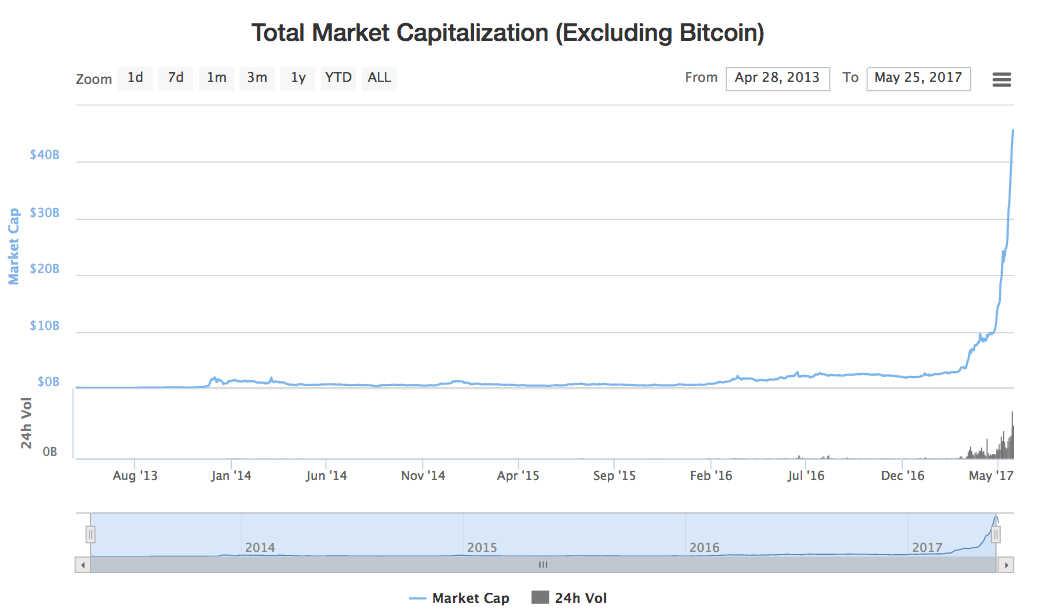
So if we had if if the tulip bubble had never popped we’d probably be dealing in tulips today. Now pop for fairly good reasons which has to make for lousy money that are hard to store or that are hard to transport they’re hard to subdivide but crypto currencies actually are the exact opposite end of that scale. They are easier to store easy to transport easier to subdivide cheaper in many ways and more defensible than almost any other form of money or gold or commodity.
Tim: Now what makes since we’re talking about money or currency what makes money valuable. I think this might be interesting to dig into for a second because you have say it at certain points in time paper pegged to gold. Right. And then reading today because it’s another word that I’ve seen a lot but aside from the car company I was not sure what Fiat really meant.
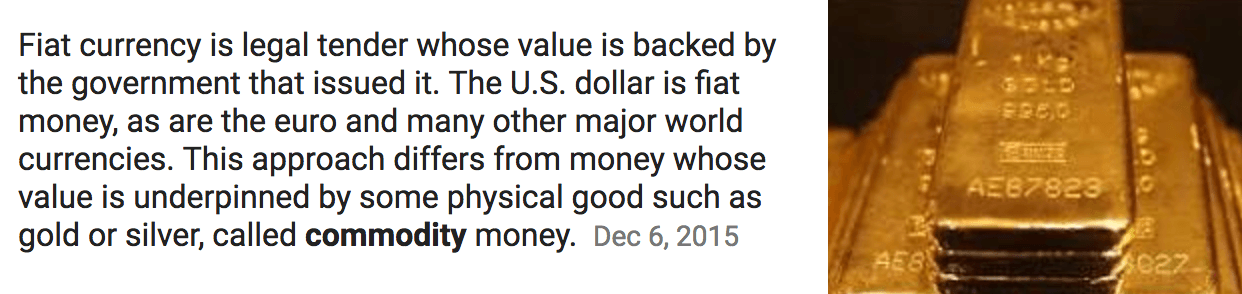
So if we’re talking about don’t even know they’re even around anymore. What distinguishes say cryptocurrency or makes cryptocurrency valuable. Is it the rarity? What are the factors that determine that?
Nick: Well I mean the scarcity is an essential essential part of it. If it starts inflating on you then your share of it goes down. So the scarcity is quite essential to it. Other things are you want it to be easy and secure to store and transport and and Bitcoin has the advantage that you can send to people all over the world and store it on a hardware wallet which is a fairly secure way to store it. And the most important part of it.
Tim: What is a hardware wallet?
Nick: So hardware wallet so your normal computers are pretty insecure and that’s one of the stories of block chains is that this distributed system is a lot more secure than an individual computer.
So your own computer could have malware viruses and so forth. So hardware while it’s a separate piece like on us be stick you plug in it has its own chip on it and Bitcoin your private key gets stored on that chip rather than on the computer.
Tim: Got it.
Naval: Yeah there’s a zillion ways to store Bitcoin. You could do it on your computer but the new computer is connected to the Internet security hole. You could put it in an online exchange but then you’re just trusting an unregulated bank. You can put it in a hardware wallet which Nick says that a dedicated device you can put on a piece of paper and stick it in your bank account in a cold storage room.
Tim: Is that cold storage?
Naval: Yeah that’s cold storage.
Tim: This is where I know the words but not what they mean this is dangerous.
Naval: This is one of the crazy things about this concept because money in money and speech turned out to be the same thing. Money information math turn out to be the same thing. So in a Bitcoin world I can literally write down my bitcoin address and keys on a piece of paper and put in a safe deposit box and it’s basically in cold storage.
I could even put it in my head. I can memorize the key phrases and I could cross borders with a billion dollars in my brain. So it’s a very powerful but mind bending literally concept in that sense.
Tim: Is this a point where it makes sense to talk about smart contracts or is that a non-sequitur or is there a good bridge.
Naval: I think we should get into it. First I want to make sure that we understand what blockchains and Bitcoin are right might be worth going into. What are the key innovations that enabled Bitcoin?
Tim: I leave you to dictate when this makes sense or either of you guys. But the article that you sent me about the I guess fat protocol there. Right.
Naval: And get to that later.
Tim: OK. We’ll get there. That’s a little teaser for us. I’ll let you leave it there.
Naval: Yeah. So I think it’s worth getting into like what is the Bitcoin computer right. Because there is basically that you can abstract and think of bitcoin is running on a blockchain computer and maybe they could take a stab at defining what it is. By the way this is one of those things where I think if you asked 10 different people in cryptocurrencies what Bitcoin is and what a block chain is and what blockchain computer is you’ll get 10 different answers.
Tim: You know some people are more qualified than others.
Naval: It’s also just it’s new it’s hard to figure out. These are very abstract concepts ideas being turned into code and they are all. Bitcoin is almost to computers what quantum mechanics is to physics. It throws a lot of people in the field off.
Tim: Well it’s also like quantum physics because you have a lot of well-intentioned like hippies and New Agey people who will misappropriate it and use it completely incorrectly.
Naval: Absolutely.
Tim: Not to say there are a lot of hippie people getting into cryptocurrency there might be but I think you also have that judge that layers of understanding.
Naval: I don’t know how to write code for a Merkle Tree. I don’t know how to take apart a bitcoin block and analyze it. So in some level I’m still you know new agey hippie trying to figure it out. But I think it’s worth getting into like what is the blockchain computer and how does it enable Bitcoin.
Nick: I guess first of all I drop into that. Another important concept the architecture that hasn’t been mentioned yet is replication, so there’s thousands of copies of these things running on what are called full nodes all over the world.
Tim: And these are servers right?
Nick: Right. So there are servers they can be laptops. Or larger machines but there are thousands of them running all over the world. So anybody who has a copy of this can their machine and do a full validation for itself is kind of the most secure way to run. Run a cryptocurrency.
Naval: Sorry to interrupt you but basically what’s going on is if I give Tim $10 and then Tim gives Nick those $10 the way we keep track of it is to a piece of paper or in the old days of the Indians it would be a shell of a certain measurement. But now with Bitcoin there’s a ledger we basically just keep track in a ledger entry that Naval move this $10 to Tim Tim move the $10 to Nick.
Now the problem is who maintains the sanctity of that ledger. Can you just forge that Ledger. So historically the central bank would maintain the sanctity of the ledger or the fact that you have a certain dollar bill with the serial number and it maintains the sanctity of the ledger. But now Bitcoin has the craziest answer you can imagine. But it turns out to work which is everybody has a copy of the ledger.

So every one of the bitcoin network who is running a node keeps a copy of the ledgers from the dawn of Bitcoin till now. And that is a testament to the computing power and memory that we have available in modern computers that people can do this at home. You can run a full Bitcoin node where you keep a copy of every single bitcoin transaction from the dawn of time till now.
And all these computers running together essentially validate with each other like are our ledgers the same. Are we using the same Ledger whose Ledger is correct in case there’s a disagreement. And that’s what kind of the blockchain comes in doing all this cryptography.
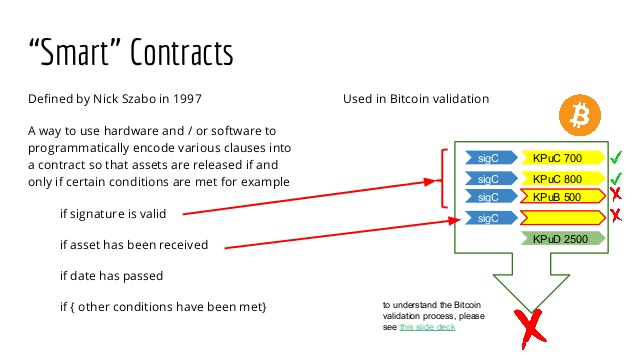
Nick: And then another thing that’s replicated besides the data and the integrity Cryptography we’ve talked about is code computer programs and kind of the second definition of smart contracts we’ll get the first definition later. But the second definition is simply describing this code that’s replicated that is running on all these nodes and that code can do things like enforce on bitcoin it can do some fairly simple things and add some sophistication or like require multiple signatures to do a spend for example.
So like you can think of signature authority in office where multiple people have to sign off on something you can set up your bitcoin to do that using one of these smart contracts when these pieces of code replicated.
Tim: Might be taken back or taken us ahead or neither.
Naval: They are wandering through the blockchain it’s complicated.
Tim: Smart contracts in essence are you taking what would rely on human beings and embedding it into the technology so that there is. You don’t have to rely on a standard set of ethics and a reliable set of behaviour. Is that a smart contract?
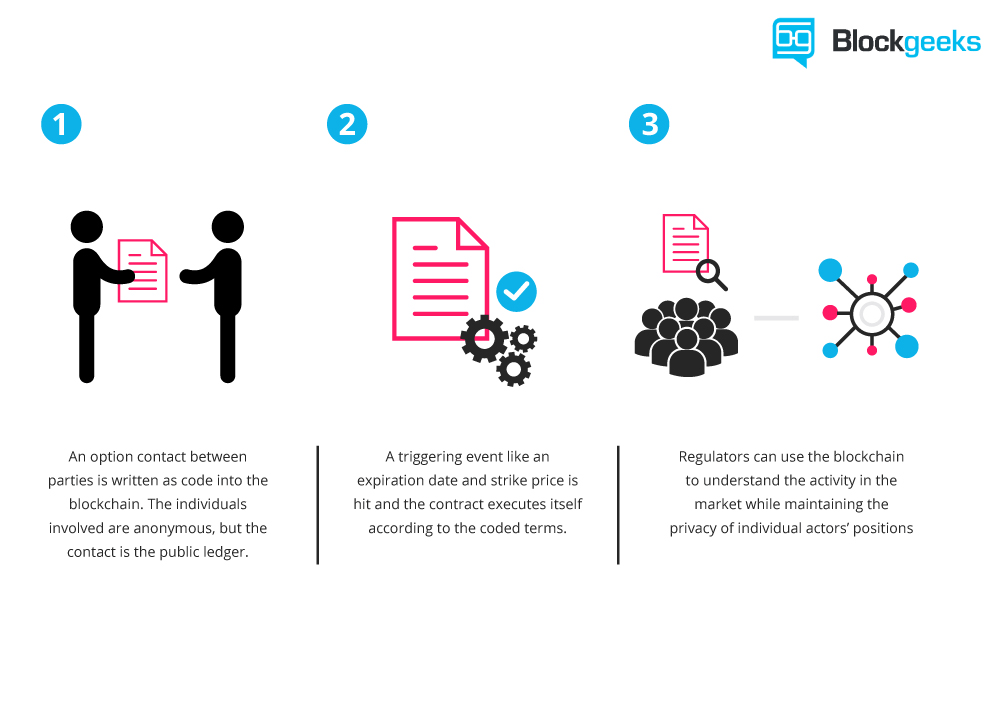
Nick: Yeah. So to some extent there are some areas of contract some kinds of contractual clauses usually but not always associated with the financial aspects of the contract that you can really logically structured and you can code that into the computer put it on the block chain and then it runs with really high integrity. And that means that somebody in Albania can do a smart contract with somebody in Zimbabwe and to the extent that they can formalize their deal mathematically with this logic code they don’t have to rely on the Albanian authorities or the Zimbabwe authorities. They can just do business directly.
Tim: And you get a great term for this. This is getting into the dry code right. So dry being computer based wet being potentially legalese in the head of a lawyer in Albania and legalese in the head of a lawyer in Zimbabwe which is going to be a whole whole just slew of mess potentially.
Nick: Right, I like to think all that legalese to see in a contract of as a program that runs on the brains of a lawyer doesn’t usually run on brains of normal people.
Tim: That this is going to try to take us to too far afield or we’re talking about how do you become so interested in contracts.
Nick: So it’s part of I guess libertarian ideology but it’s also part I went to law school and it’s also part of law school 101 that property and contract law are the kind of the two fundamental building blocks of our commercial society. So I was interested in how do you enforce those in cyberspace.
Tim: I don’t meet many people I meet people who have say JD MBA or JD Ph.D. I don’t meet many people who have JD and computer science degree
Naval: And a libertarian on top of that and libertarian on top of that
Tim: Although I have heard there are some libertarians running around the bay area. But JD Apparently I’m a libertarian I’ve been told…
Naval: Relatively to the average person in Silicon Valley
Tim: I live in San Francisco and own guns and they’re like your libertarian I’m like that it really it’s that easy. I got like my card. OK how did you end up doing both of the degrees? I haven’t run into that before
Nick: The law degree is in large part based on smart contracts and wanting to do a reality check of the stuff I’d thought of as a computer scientist.
Tim: I see so the computer science came first. Yeah and then the JD was…
Nick: went to study the wet code then.
Tim: Now that I know how a computer works let me go look at an abacus and see what that’s like. OK very cool.
Naval: So I think some of this smart contracts which by the way as I said earlier Nick created not just the concept of the theory behind it smart contracts are essentially taking that wet code converting into dry code and then putting it inside block chains so it’s immutable after a while that it becomes a fly trapped in amber. If we made an agreement and the simplest smart contract by the way is just I gave you money and you got the money. That’s a very very simple contract that got fulfilled. So you can put much more complex
Tim: Contract is promise and fulfillment of promise. Or is there an easier way to think about it because when I think contract I think of all these clauses are right termination arbitration term et cetera I think of all these because they look it this ways since I look at way to many contracts now.
Nick: So you can think of the primordial granddaddy of all smart contracts as the vending machine. So vending machine in in contract law terms it verifies a performance you put in your quarter and it verifies you put in the quarter through it’s mechanical. I’m talking about old fashioned vending machines. It has logic in that says OK you put in a quarter the soda cost a dime.
So I’m going to give you a dime and a nickel back and the soda you selected. So you can think of writing this in a contract tediously that you know if if the party of the first puts in a quarter you know the party of the second it will get them back. But of course you want to do this in a machine or I guess so ….
Naval: Don’t give the lawyers any ideas.
Nick: It’s verifying a performance on the one hand somebody else observing that somebody did their payment or are there other performance. Of a contractual deal on the other hand its automating and performance it’s expensing dispensing the goods. So that was kind of the two basic things smart contracts can do. They verify somebody’s performance and they automate performance.
Now the third thing is if you have a bunch of stuff that’s inherently wet most of the stuff that you can code into smart contracts as those two kinds of things there like payments and various financial conditions you can do a lot of financial stuff like options and collateralized loans and so forth futures. But for things that are inherently wet nobody’s figured out how to have the computer verify or automate the performance yet you can you know invoke an arbitrator a signature is structured like multi-sig to have humans approve certain steps.
Tim: In what will be an example of where you or someone else might want multi-sig in that universe?
Nick: If you’re doing something with an escrow for example that you have the person or persons responsible for the collateral verifying that the contract was performed then they can free up the collateral.
Tim: Got it. So if you want to buy a house that had do inspections in one day you wanted to use Bitcoin that would be a good situation.
Naval: Yeah I mean there are things you can do now with smart contracts what you call on chain where you can have all the money and the collateral and the escrow and the data as close to computerised as possible. So the stuff that people are starting to do with smart contracts now is pretty mind blowing.
Tim: Can we talk about the article you sent me and I know it seems like it might not be the right. It was very helpful to me. Sure. So do you want to dig in.
Naval: Yeah. So there’s a there’s this concept of what Bitcoin and Ethereum and these other crypto currencies are doing is there. They’re the new protocols. And what is the protocol protocol is kind of like a god now I’m going to get trapped in definitions but protocol is sort of how computers it’s a standard for how computers exchange information. So for example you and I are speaking the English language is a form of protocol but then also like…
Tim: HTTP
Naval: I’m supposed to pause every five seconds and then you’re supposed to get a chance to speak that’s part of the protocol. We say hello to each other as a greeting that’s part of the protocol.
Tim: So we have verbal packets like TCP/IP. Also another protocol.
Naval: And on the Internet these protocols are TCP/IP, HTTP, SMTP. Every time your email gets sent from one server to another it’s using the SMTP simple mail transfer protocol and these protocols power of the Internet and the assumption that was made in the early days of the Internet was that well bandwidth is cheap servers are cheap hardware is cheap. So it’s free.
If I want to send you a packet it’s free if you want to receive the packet is free doesn’t cost anything. But those assumptions are breaking down. We have denial of service attacks which is basically your computer demands resource from my computer that I’m saying no but you’re asking so many times for free that it just overwhelms me.
Spam is another example I can send you a zillion e-mails at hardly any cost but it costs you a lot of attention. So these free protocols are becoming poor assumptions. The worst place for a poor assumption on a protocol is a protocol for exchanging money. I say Tim I want to give you $10. That has to be scarce in some way. Can’t just be. It can’t be a free transaction.
Right because this money is exchanging hands. So we need a concept of protocols that underlie scarce resources that allocate scarce resources. And what’s going on is crypto currencies and block chains are creating these what are now being called fat protocols.
And we’ll put an article in the show notes about this but fat protocols are protocols that actually exchange scarce value and to keep data in the protocol they maintain data.
Tim: That’s the key piece right or in a way.
Naval: Yeah there’s two key pieces. One is scarcity which is regulated by a token. So in the bitcoin protocol the scarce piece is the Bitcoin itself and the protocol is about the exchange of money and the token is Bitcoin. And then there’s data that you can put on the block chain like I could for example take an article that I wrote I could hash it one way crypto hash put it in the block chain and prove that it came from me and then it gets trapped in the amber again like the fly.
And no one can undo it later. And it’s secured by the value of the block chain. So these these new protocols these fat protocols are very different. They’re going to exchange.
They’re going to enable the new kind of internet that we did not have before. That’s a thesis of kind of the fat protocol argument.
Tim: Just for people listening who like me were trying to find their way their way through the darkness with a lot of this stuff when I read that piece which is on the Union Square Ventures website. Hi Fred and guys I’m blanking on the name of the author. Very good.
Naval: Joel Monegro.
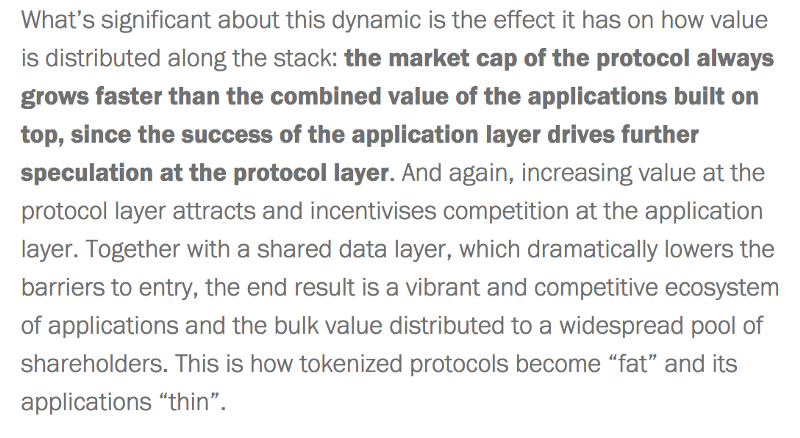
Tim: There we go. And the the the before and after example that was given or one of them was you have these thin protocols HTTP et cetera and then you have these services built on top of them that become silos of information whether that’s Facebook Google whatever it might be.

And then they develop their own means of authentication and so on. So you have these captive stores of information you have security risks on top of that. And now perhaps you’re doing your banking through a web server. And conversely when you then have the and I hate to use this word but sort of the democratised data that is built into the protocol itself say in the case of Bitcoin We’re now you have all these nodes that have for the purposes of illustration every transaction start to finish.
It’s more secure. You’re less captive and conforms to the libertarian slash Ayn Rand ideals are we talking about earlier and the illustration that was given that I thought was fascinating and may or may not hold true for for decades but was that you have protocols that are necessary but not valuable.

Right. They’re available. They’re like a utility to the public. And then you have these billion dollar multibillion dollar companies built on top of it Facebook Google etc.. Then you have conversely Bitcoin which has a market cap of X I don’t know what it is.
Naval: 25 billion today.
Tim: And then the is built on top of it are in vanishingly small but in the tens or hundreds of millions at most right it’s a complete flip in terms of
Naval: The value is getting captured by the fat protocol. Yeah I do recommend this article it’s actually Joel. So Joel Monegro that his last name wrong. But he wrote a brilliant piece on this but the thesis is that because these protocols are storing your identity and data on that on the protocol and the protocol itself the applications don’t capture you as much. You’re not stuck in the applications and the value is captured by the tokens in the protocol.
Tim: Does that mean this is this is just putting on the investor hat for a second that people are going to be incentivized to just create more and more different types of cryptocurrency and then Reserve to try to capture..
Naval: That is exactly what’s happening. So I wrote a post on this called the Bitcoin model for crowdfunding and this is a couple of years back. And I thought these things called app coins would show up but for every application rather than going and raising VC money you attach a token to it and you crowdfunded. And that’s kind of what’s happening now with what they call ICOs initial coin offerings. And there have been hundreds and hundreds of these and you know it’s a little bubbly.
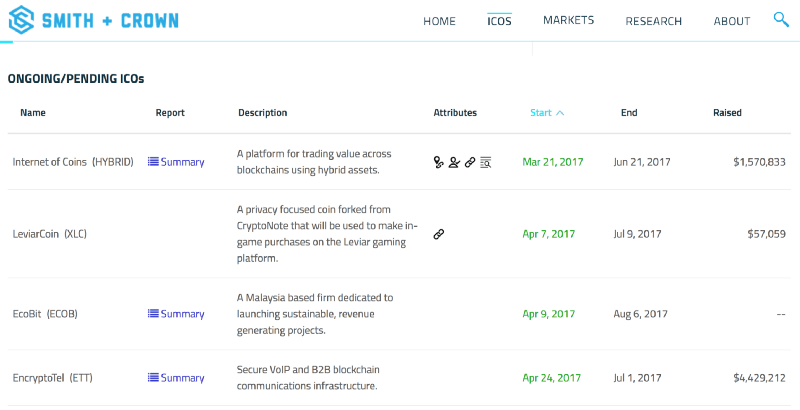
In fact it’s very bubbly a lot of them getting bid up out of control. Some of it comes from the fact that a few of these protocols do need their own token. They can’t use bitcoin but most of the times it’s really just the developers have an incentive to create a token bolted on and try and capture the value. But it’s a it’s an interesting model for funding open source software and protocols that didn’t really exist before.
Tim: Are bubbles a bad thing? And this is this is something I’ve been reading about that I’m really I don’t know if you have any any thoughts on this but. In many people’s minds bubbles are a bad thing. But I read a counter argument for the first time today which was you know after a bubble bursts then you have out of the money investors who are incentivized in risk in regaining the value of what has declined by creating services and applications that are now these sort of thin applications which then preserves these sort of long term viability of X whatever that might be which I hadn’t really considered before.
Nick: Well there is a sense in which many bubbles are unavoidable because futures are genuinely uncertain place.
Naval: Yeah especially in these reflexive industries where you know that notion of reflexivity is like my prediction alone changes the potential outcome. And you know the extreme example is like a prediction market predicting the death of somebody. If there’s enough money on that it turns into an assassination market. So bubbles are inherently I think just a part of any system that involves network effects.
If I think then and money is the ultimate network effect I accept US dollars as money because you accept US dollars as money and so on if we all believe that if we all believe tomorrow the tubes were valuable again we’d be trading until this rate. So if I believe that you’re going to accept this as money then I want to put more money and you want to put more money in the network effect sort of creates a bubble. And as Nick said the future is an uncertain place. Sometimes will be wrong or we have to step back. There’ll be a little bit of a releasing of energy.
I read something a couple of years back that showed that as the stock market is becoming more efficient it’s actually becoming more volatile. It’s not becoming less volatile it has become more volatile because it’s reacting faster and faster to information changes.
Tim: That’s like the story. You can look at long term capital management or there are all sorts of high frequency trading you see not only humans right who are increasingly interconnected but you also have computers.
Naval: Right. And there is there’s a big train derailment in China that caused the political change that causes the futures market in China to shift. That causes the U.S. stock market to go down. Computers are getting better and better at absorbing that information. Extrapolating it out the consequences.
And so the markets become more and more volatile so over time we should see bubbles form faster pop more quickly. And I think they’ll fall into a power law distribution like there’ll be ones that will be really large there will be ones that’ll be really small and but this idea that the future is going to be very smooth and linear and predictable is a human illusion.
Tim: Know I think that’s a fair assumption. Nick what are the biggest misconceptions or common misunderstandings related to cryptocurrency or Bitcoin or or like what does smart people get wrong. If there’s anything where you’re like God this drives me nuts. If I hear one more person who should know better.
Nick: We could get into the whole block size issue because there is a parameter we shouldn’t but I probably will talk about it a little bit. There’s a there’s a technical security parameter called the block size how the general public glommed onto this I do not know. But there’s there’s an obsessive group of people who think of this as some kind of artificial barrier to more transactions per second on Bitcoin.
Really it’s it’s job is it’s it’s a fence preventing people from overwhelming flooding the network with lots of transactions that the full nodes I talked about can’t handle that that transaction history keeps building and building.
Naval: At very simple level if if every computer is throwing a copy of every transaction then you can’t have an infinite number of transactions because the computer will explode. And so what you do is if you if you keep increasing the number of transactions to too quickly then you only allow a smaller and smaller shrinking set of computers to run the code which reduces who who’s actually in charge of security before you might have had a million then you’re down to a hundred thousand big computers.
Then there’s only a few thousand large players then down to 5 people who can store the entire history. Then you’re basically back to central banks.

So the debate is should we keep allowing more and more transactions. Because what if everyone wants to buy a Starbucks using Bitcoin. Or should be only limited to very high value transactions and instead preserve the diversity of people who can who can run the code.
Nick: Yeah I mean this shouldn’t even be a public debate. It’s like the public debating and voting on the Grafite reactors that are Grafite things settings that prevent a nuclear reactor from overheating and melting down let them debate the issue. Yeah. There are certain things you should let the engineers decide. And this is one of them. And for some reason there’s just a whole group of people who want to want to pull out those graphite moderator rods and have it going full steam.
Naval: Yeah. One of the problems with Bitcoin is that because a lot of people hold a little bit of Bitcoin. Everyone has a financial incentive and they’re all talking their own book and they get really emotional about it.
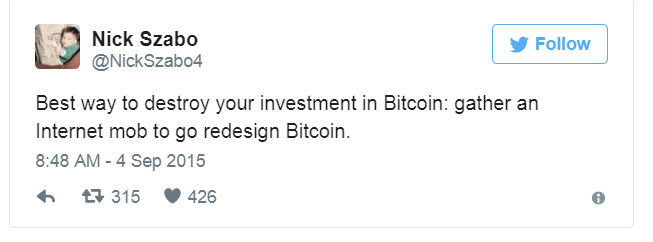
Nick had this great tweet that I liked the best way to destroy your investment in Bitcoin is to gather an Internet mob to go and redesign Bitcoin. Right. And that’s a little bit of what’s happening right now.
Tim: Well you were saying you know before we start recording that a lot of you’ve you’ve never seen so many scientists be uncivil towards one another.
Naval: Yeah I think the worst Twitter is Trump Twitter everyone’s getting outraged over politics all the time.
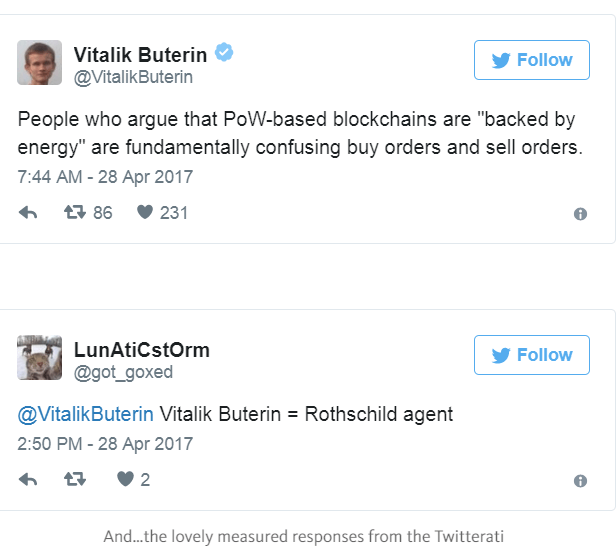
But the second worst Twitter right now is blockchain Twitter where you will have Ph.D.s from Cornell and University of Maryland all kinds of credential places literally calling each other horrific names online casting aspersions other people’s moral moral character calling them trolls dragging them through the mud. And they each have their little local tribal mob behind them over things like the blocks debate which says you know it’s actually in the parameter settings in a nuclear reactor.
Tim: It’s it’s I mean it makes me think of a bunch of sort of expressions that jump to mind you’re saying you’re talking their own book. So the uninformed has to be very careful that asking your barber if they need a haircut. Right you need to know what the incentives are and make sure people have heard the expression it’s not very flattering but a man is as loyal as his options might be you know a scientist or someone who is otherwise civil is as civil as their incentives right. Yes. Once you have enough to gain or lose
Naval: Your incentives are everything. It’s like Charlie Munger says if you can be working then incentives don’t work on anything else. And it’s you know going back to Bitcoin the design for a second Bitcoin is brilliantly designed because the underlying game theory and incentives.
Tim: Yeah. Could we talk just for a second about what is when we talked about cryptocurrency. What makes what made Bitcoin and what makes Bitcoin unique if that’s if we could maybe tell
Nick: You that you can think about it in a couple of layer. The most important and fundamental layers of computer science layer where we prove that it would take 51 percent of the computational power of the hash rate to attack this thing and do things like double spend
Naval: Basically changing that ledger right. You can’t change the ledger. The beauty is the fly in amber analogy the great one man because once we you and I’ve done a transaction the network has agreed on the transaction going back in and doing it is nearly impossible. But while that Amber is being laid down there can still be some mischief.
So one of the big misconceptions of bitcoin is that well if 51 percent of the computers in the network which are run by people called miners they’re called miners the old analogy are digging for gold they’re digging for Bitcoin. But really what they’re doing is they’re laying down that Amber.
If 51 percent of these people collude then does that mean they can go back and change the ledger. No they can’t change the existing ledger but they can cause mischief with the current transaction of the current layer that’s being laid down is one of the big misconceptions. So sorry to interrupt.
Nick: Yes that’s one of the computer science limitations of it. And the other one is doing software upgrades software upgrades kind of change the rules even more so. Yeah. And so those two things end up getting specially software upgrades and getting very politicized.
Naval: Yeah Bitcoin fundamentally what’s going on. Nick first created bit gold right. You are talking about what the innovation in bit gold was or how the bit gold system worked that we can layer on Bitcoin.
Nick: Sure. I mean bit gold was inspired by kind of its origins of money research and how to do I and also there was an era called private banking where you could take your bank note and go up to bank windown and get gold and the bank the paper money we have today looks very much like these bank notes did a thing I call Authority resemblance one sort of sort of faking and pretending to know that this is still really valuable stuff and the illusion works apparently for the most part but. But they used the work very differently used to be able to go up to window and get actual gold for your paper.
Naval: And now its just Tulips, green flatenned Tulips.
Nick: Until it’s you know debt. Now it’s just the paper itself. You got to just trust the paper itself and the Federal Reserve but in any case I was inspired
Tim: Which is a fiat currency I never actually defined it…
Naval: Fiat currency is just a paper that’s backed by nothing. So before it was shell’s then we went to gold. Then we went to gold backed paper and now we’re down to just paper.
Nick: Creating that bank note itself is easy enough to do that’s basically what Pay-Pal and company was going for called Digicash. David Chaum stuff are doing that trust based paper note that was issued by some central authority. But I became dissatisfied because in the end of day you want to go to that window and get something else that’s more what I call trust minimized. So gold is valuable all over the world if you go back to the more primitive tribes the gold and the shells and so forth.
You know you can pay them to next tribe next tribe over all your neighbors would accept them as well. They wouldn’t accept your IOU because you know you can’t trust people you could go world war with tomorrow. But they would accept the shells or the copper beads or the gold beads the first gold artifact by the way is a bead and the first copper artifact was apparently the most important earliest uses of of of metal not knives or weapons or tools or so forth in any case so this I was looking for this trust minimizing like how to do this in cyberspace since I had read stuff.
I know it’s not just some magical property of gold that makes it valuable and other things aren’t or something or some intrinsic you know it started off you can use it in you know electrical circuits or so forth. No there’s something about what I call the unforgivable costliness of it the scarcity of it the naturally trust minimized scarcity of it.
You don’t have to trust somebody to keep it scarce. I tried to recreate this in cyberspace using proof of work. Adam Back Hashcash and so basically the bit gold design did that and then it used the replication technique which had originally been developed.
Tim: I apologize just to backtrack. But the proof of work. What do you mean by that.
Nick: OK so proof of work is a mathematical puzzle a computation that the computer does that says OK you have to solve this and we know from computer science it’ll take so long to solve.
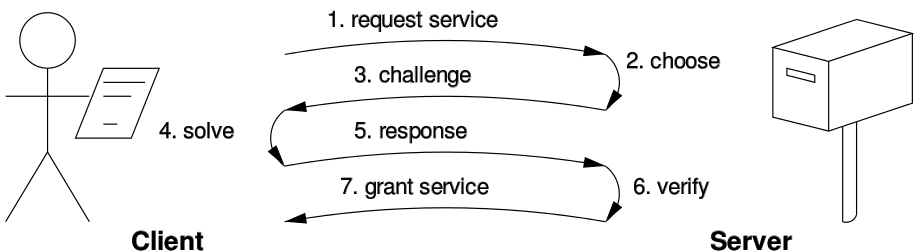
But we also know from computer science that it’s it’s a kind of a problem that you can improve the hardware which is why everybody use designed specialized hardware for it. Got it now because unlike normal cryptography it’s not that it’s not even unlike normal cryptography in that way. But it’s something that you can do a lot faster if you have hardware.
Naval: Proof of work and basically you have to you have people here who are basically laying down a layer of Amber on the fly. Right. And so they have to basically commit resources to do it. It has to be costly to do that. You need scarcity in the system right.
That scarcity is created by the costliness of the computing power that you throw at it. So basically the more computer power we want to throw at the bitcoin network the more seriously the bitcoin network takes your vote and we have to know your computing power is dedicated to the bitcoin network it’s not you know off surfing the Internet or doing something else. So you have to commit it to doing work just for the bitcoin network. And the proof is through mathematical functions. Got it.
So you basically have puzzles to solve the bitcoin network the algorithms give the computers puzzles to solve. If the computers solve the puzzle they can prove that yes I put economic value time heat power computation into solving this problem so now I get a vote on what the ledger looks like and I get a chance to be paid in coin because it is what the miners do the miners do the work to secure the network using computers. They provide that proof to the network the network pays them in new coins that it’s minting. There’s minting.
Tim: Got it
Nick: Anyway so the Satoshi had an innovation or uses as a proof of work as part of the security…
Tim: And for people who don’t know who is Satoshi…that name.
Nick: Well it’s some unknown character out there that has disappeared. You know our group.
Naval: Whoever whoever created bitcoin you know obviously built on Nick’s work built on Hal Finny’s work way. There were a couple of great computer scientists who did this work but whoever actually built the working implementation because I think Nick you had you had the theory of bit gold but you’re not a serious and a programmer to create bit golf.
Nick: Well I’m a serious programmer but I you didn’t get around to programming bit gold. So yeah it was a design.
Naval: And so whoever created Bitcoin probably a group because it looks like a very sophisticated effort and did it pseudonymously or anonymously and the the name that they use was Satoshi Nakamoto
Nick: Bit Gold as it’s designed on the theory to use this proof of work as a what I call enforcible costliness or to constrain the supply curves.
You know it’s scarce and Satoshi has big innovation was to. Well let me backtrack and describe bit gold. So there’s a protocol design for it to keep airplanes from crashing because you don’t want your computer to go crash an airplane and cause the airplane to crash right. You want to get your computer to be able to crash an airplane that the airliner itself going on.
So what you need is to distribute the surrounds you have several chips all around the airplane and then they talk to each other and then if they get contradictory information they do what you might call voting they’ll pick the majority considered to be the correct one. And that turns out to be they mathematically prove that this is the optimal model given those assumptions that you know how many chips there are and so forth.
And this is called Byzantine consensus. So I took that and used it for this replication business to replicate the data around the ledger around the Merkle tree for the transaction history and so forth what’s Satoshi it a really big innovation besides of course actually making software people could use which I never did. He has a proof of work and security services on the Internet you can’t count your chips securely.
You don’t know I have a chip in the tail and a chip in a wing and so forth. A sockpuppet problem people one person and we pretend to be 100 and we’re one computer can pretend to be a hundred. Satoshi based it on proof of work based the security that voting like if the preponderance of the hash rate tells me that the transaction is history has been updated in such and such a way and that’s that’s it. And again that’s good up to 51 percent. And so we’re in the 51 percent that comes from
Naval: The one computation one vote is the way to think about it.
Tim: Got it.
Naval: And actually you know one of the one of the problems that people have with the bitcoin network is designed so basically a bitcoin you have all these computers around the world that are joining together to create this shared block chain computer. They get votes in proportion to how much power they’re allocating. They vote on what the valid transactions are that then go into this ledger and get sealed in the amber of the block chain and the whole system kind of works.
But a naive person looking from the outside as you said like the hippies coming to block chains one of their first objections is you wasting all this computer power you’re wasting all this energy you’re wasting all this network resources because they’re constantly chatting with each other and these computers are broadcasting packets to each other and all the time. And they just say it’s wasteful.
But and I think that was an argument that a lot of people make and even I kind of fell for that one where I was like OK you know eventually someone will come up with a better solution than proof of working go to proof of stake or a few other kind of ideas that been thrown around. And then Nick just recently wrote this brilliant piece on social scalability and you’ve got a doctorate recently an honorary doctorate at …
Nick: The University Universidad Francisco Marroquin. Yeah in Guatemala.
Naval: What is your doctorate in?
Nick: Social sciences and also an honorary professorship as well. So yeah it’s great. It’s a very you know the only social scientists that could talk at this level. I mean that’s the kind of honorary doctorate they give. Yeah. But yeah lots of luminary thought. I’m very honored to have that
Naval: They cited your social scalability article. And so the social skills of the argument I thought is a really powerful one I don’t know if you want to try and summarize that for the listeners.
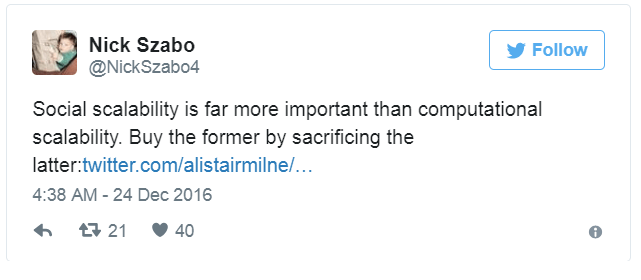
Nick: Sure. So the idea basic idea is that if you look at a graph of human capabilities it’s basically flat were the same IQs we had you know. So there’s a small thing called the Flynn effect but other than that you know a hundred thousand years ago our brains were roughly the same size they are today and computers on the other hand have been you know doubling every few years or capabilities in various ways their memory their CPU power network bandwidth and so forth and so and you can think of this in the future and get into all sorts of speculation about the future.
What I like to think of it as we have this whole surplus we’ve built up of resources and yet we’re still doing things institutionally with armies of bureaucrats and stuff very similar to what we’re doing.
You know when computers were you know a thousandth of the power they are now our millionth of the power they are now…
Tim: or what they’re doing in the empire…
Nick: and so in any case so can we do some substitutions can we substitute take advantage of this great surplus. So computer scientists are normally and engineers are normally trained to think optimize the machine make the machine itself really efficient. What I’m saying is that. You can think the other way.
Are there ways to make the machine a lot less efficient and give you some greater capability so that such as for example the ability of somebody in Albania to pay somebody in Zimbabwe without going through a trusted intermediary or human bureaucracy ways to do that. You know even if they cost a lot more and look really bad to an engineer likes to think about efficiency. So and Bitcoin is a great example of that it’s proof of work as part of its security and in my mind to create that scarcity.
Naval: Stepping back for a second. What separates humans from other animals is that we are social across genetic boundaries. So you know even Neanderthals you can have 150 Neanderthals on a battlefield because they’re all genetically related. But you can have 5000 homosapiens on the battlefield because they believe in the abstract idea of Christianity and they can communicate that story to each other. Right.
And so Bitcoin enables a form of social scaleability where it allows now humans who don’t know each other who don’t trust each other who may never see each other again and don’t even reveal their identities or locations to each other to still transacts securely not just with money but also with contracts. Any complex logic they can dream up that they can code up. They can do it through this very slow and very inefficient computer but it removes all these layers of humans bureaucrats and toll takers from the operation.
Tim: Right so you’re able to exceed the Dunbar number. Right exactly.
Naval: Yeah the 150 people Dunbar number so you are basically treating computational scalability for social scalability.
Tim: And just to maybe put it another way and I’d love to be corrected. This isn’t right but there’s a there’s another quote of yours Nick that I really like.
Trusted third parties are security holes.
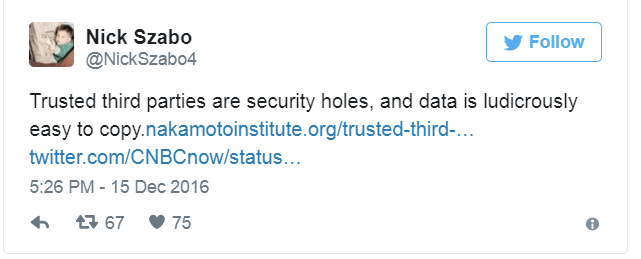
Now I think relates to this very nicely. And there is a bit on block chain computers and I think is relevant so why. Why make the tradeoff. Why allow all of this inefficiency. And I’m not going to read this entire thing but it’s the block chain computer that’s distributed block chain computers much slower more costly than a web server.
Very rough estimate about 10000 times slower and more costly. But since on the block chain you’re you’re running the portion of an application that needs to be the most reliable and secure what you call the fiduciary Code. Because the downside risk is so high you can afford to have tons of inefficiency particularly with hardware that is dropping and cost and increasing in capability year on year.
Nick: You have accumulated this great great hardware capacity surplus that that we’re only starting to take advantage of. And so you can use that to like the proof work the very strong security protocols that take some computational effort and also the making the copies. We have lots of memory lots of disk space lots of bandwidth. Not vast amounts but enough. You can you can take a small transaction and replicate it around the world make thousands of copies.
That helped create stuff flying amber effect where you can’t deny it later because everybody’s got copies of it in a way like.
Naval: I think you had a definition of social scale that in your article it’s not precise but close enough where you basically said one way to estimate how socially scalable technology is is by how many people can use it. Right.
And when it comes to cash today like like the U.S. dollar it’s you know excepted probably the most widely accepted currency in the world but we’re still talking hundreds of millions to maybe a billion people can really use it in their everyday life. Whereas bitcoin in theory when it’s when it’s adopted can be used by anyone to pay anyone as long as you’re connected to the Internet and everyone’s connecting to the Internet. It scales better.
Tim: I’m going to ask a question that came up a lot and it’s one that I don’t have any. Any ability to answer. Is it possible to for any government entity to regulate Bitcoin or crypto currencies out of existence. If so where would you put the likelihood of such a thing happening or being able to be implemented.
Nick: Well I mean because these copies are all over the world. You know they’re never going to get rid of these copies. I mean it’s always going to have the transaction history and started it up again. Yeah. So that in that sense makes it very difficult to regulate. There are easier parts of it to regulate such as the exchanging of fiat currency your local currency to Bitcoin back and forth.
Those still happen through centralized exchanges which both makes them fairly easy to regulate and also makes them insecure trusted third parties are security hole. So if you want to get in and out of Bitcoin you’re usually doing it through these centralized exchanges and that’s for the vast majority of thefts and hacks of bitcoin have occurred.
Naval: These exchanges essentially end up like banks they’re honeypots for regulators they’re honeypots for thieves.
Tim: How do you buy or sell say Bitcoin without going through an exchange?
Naval: You today you do that through a central a through an exchange. There’s also sort of a local meet ups there’s these sites like local bitcoins and there’s a few others. There’s a big one coming up in China now where you can sort of coordinate a meet up with somebody in a dark alley and you exchange cash for Bitcoin so people can fall back to that.
And and the volume on those kinds of distributed exchanges has gone up a lot. If you look a bit torrent which is the file sharing technology accounts for like a ridiculous amount of Internet traffic Bram Cohen invented it you know that thing given they can account for going a quarter to half of Internet traffic and you can bet the governments have been trying to shut that down because right now the governments are overzealous and nothing and so much enforcing copyright law.
I mean you want it to drive you know you want to drop the full weight of the federal government on you. You either engage in you know terrorist activity or you violate copyright. Are like roughly equivalent right drop helicopters in your house in New Zealand.
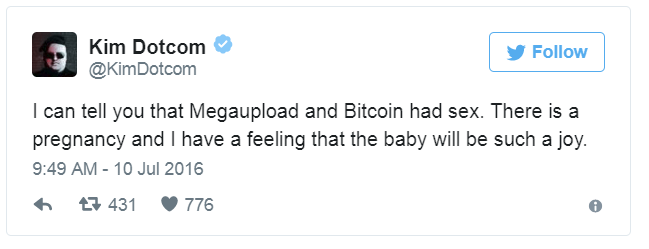
Ask Kim Dotcom for violating copyright law even if you’ve never set foot in the U.S. is such an understated lifestyle.

So it was so subtle I don’t know how they caught on to him. Yes.
So I don’t I don’t think governments can really shut it down. Not only that but any government that really embraces Bitcoin or any of these cryptocurrency doesn’t have to be bitcoin they could even kind of start up a new one if they wanted to. Is this going to benefit so much from really owning the money that’s native to the Internet. You know I called Bitcoin the Internet of money because it’s it’s really native to how code works.
If you really want to future proof yourself it’s like it’s like imagine if the US cracked down on it and said no more cryptocurrency that would be saying like saying no more HTTP right. And the country that did adopt HTTP and by the way it is the HTTP of money would end up so much better off that you’d be shooting yourself in the head. So I think smart people smart money in the U.S. already recognizes that.
And so it’s seeping up into the government where they’re figuring out that. Yeah we could we could be draconian about this will just drive it out of the country it’s already happening to some extent although the ICOs that are happening are happening out of Switzerland or Gibraltar those teams are leaving the U.S. actually because especially places like New York have been very heavy handed in their regulations. So you’re driving out innovation.
Tim: What is the incentive for say New York to be supportive or at least maybe cast a blind eye to development of this type of technology.
Naval: Just like the internet took out Hollywood with Netflix and Spotify. And it took out newspapers with publishing and Twitter and Facebook and it’s taken out you know all kinds of industries. The Internet is going to fundamentally change and possibly take out the finance industry as we know it and the new finance industry is going to settle wherever the home of innovation is for smart contracts and cryptocurrency.
This is my belief obviously not investment advice but I think this is Silicon Valley’s replacement of a lot of the infrastructure of finance. And so if New York chooses to drive that out then New York will no longer be the center of finance.
Tim: Got it.
Naval: I every time I go to New York I’m actually highly entertained because I see all these huge towers. I see all these people in suits and I know that 90 percent of them will be obsolete within 20 years.
Tim: Nice horse and buggy pal.
Naval: I would I would not be thinking about going into investment banking right now because a lot of that job is going to be automated commercial banking automated. You know the bankers were the miners of the last generation. They got paid in the currency to secure the currencies when the Fed wants to.
Tim: And they weren’t even the miners or the traders.
Naval: Yeah well the Fed wants to distribute currency and give it to the banks and guess what the banks the banks have sticky fingers and then they allocate it out to the rest of us very sparingly. And the new bankers are the miners.
The new Fed is the cryptographers But really the new owners of the infrastructure are the holders of the coin which is everybody or could be everybody
Tim: Is cryptocurrency or let’s say Bitcoin inversely correlated to any particular other asset classes for instance when people are fearful of say currency devaluation they they might run to gold. Right. Seen this in places like Argentina seen in the U.S. dollar. Do you see that also with bitcoin in any particular pattern.
Naval: Yeah they definitely are store of value because Bitcoin there’s only 21 million ever the whole way the protocol is designed you can’t create a single one more and a bunch have been lost. So you know because they’re hard to secure.
Tim: Hold on how do they get lost?
Naval: Well you could lose your key say you call someone and come up with something really…
Tim: Forget your goddamn number..
Naval: You trying to defend it you’re trying to hide it from hackers. You come up with some really elaborate scheme on how to secure it and then you lose it. So people have lost the computer that it was on.
Tim: You know so have you heard any catastrophic stories?
Naval: Oh sure there are stories of people like you know digging through garbage dumps with bulldozers trying to find that old computer which they threw out which had you know 10000 bitcoin on.
Nick: You need to get the hardware wallet that makes encrypted backups so that you’re neither stolen from nor lose lose your key.
Naval: Yes. I mean there is a finite number of bitcoin so Bitcoin is electronic gold. There is a generation of kids who will grow up that as long as they have been alive. Like my son when he’s older as long as he’s been alive there will have been gold and there will have been Bitcoin.
Tim: You think the likelihood of bitcoin in any way falling out of reach for people like your son is close to zero?
Naval: I don’t think Bitcoin itself may suffer because it has governance issues and another currency like we should talk about Ethereum and some of the others that are coming up might take its place. But the idea that block chain computers are going to go away is ridiculous. That’s like saying the Internet is going to go away.
It’s just too fundamental of a technology barring a total mathematical breakthrough that obsoletes all encryption which would also be the end of the commercial Internet as we know it. I think that some kind of blockchain computer will dominate currency store of value contract law and any kind of financial instrument prediction markets all kinds of things in the future. So to my to my kids they will choose electronic gold.
They will choose bit gold and successors over real gold.
Tim: Like what is another one of these words that comes up at dinner parties and various conversations and I kind of not long so embarrassed to ask questions. Fearing I’m the only one at the party. Kind of like everybody goes to summer camp in they all miss their mom but no one wants to talk about it and admit it Ethereum. What is Ethereum?
Nick: I’m so so we talked about the block chain computer so Bitcoin mean if your audience can harken back to the beginning of Apple Apple Computer Steve Wozniak was working at Hewlett-Packard on a scientific calculator and had a certain limited scripting language that you know specialized for that it wasn’t a full fledged general purpose language that you could do lots with.
But what he did was he got excited that his circuitry you know chips were getting cheap enough that you could do the full fledged what they call Turing machine after Alan Turing because he one of the inventors of it. I’m a full fledged general purpose machine that can do any mathematically feasible computation and so Bitcoin is like a restricted computer does certain things specialized like the multi-seg I talked about and certain other other things it can do.
But Ethereum is a much more general purpose computer and it also stores long term state better which is a technical thing but it’s an important difference. So basically Ethereum has great potential for this reason it has potential to do smart contracts much better than Bitcoin does. The drawback going to this is it also increases the attack surface. If what Ethereum doing is riskier.
Tim: The attack surface?
Nick: The attack surface, so you can think of your house as having an attack surface or the windows and doors and places where people can get in. Right. Well the Ethereum thing has surfaces that people could potentially get in because people are doing more things got just more vulnerabilities that correlate to more functionality.
Nick: Right.
Naval: So it’s a much more flexible computer so you can talk to it in many many more ways. You can inject bad code and you can hack it in many many ways.
Nick: And another thing that makes it risky is that it’s a newer it’s it’s not much more advanced than where in terms of its maturity and getting out all the bugs and stuff as Bitcoin was when people were paying 10000 bitcoin for a pizza. And yet what’s the Ethereum market cap now.
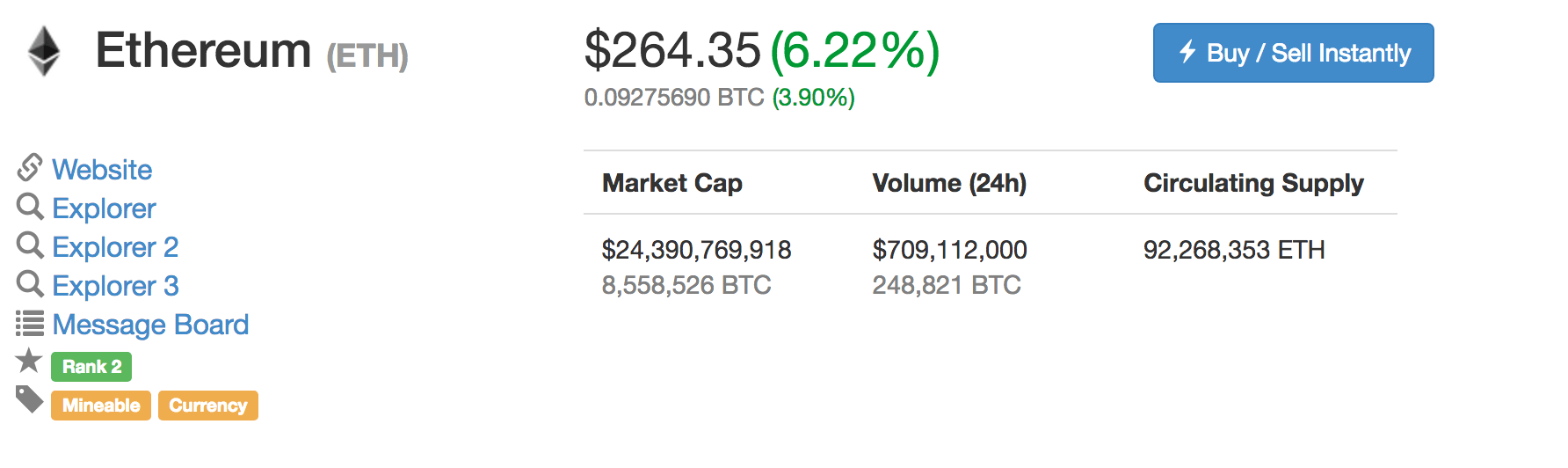
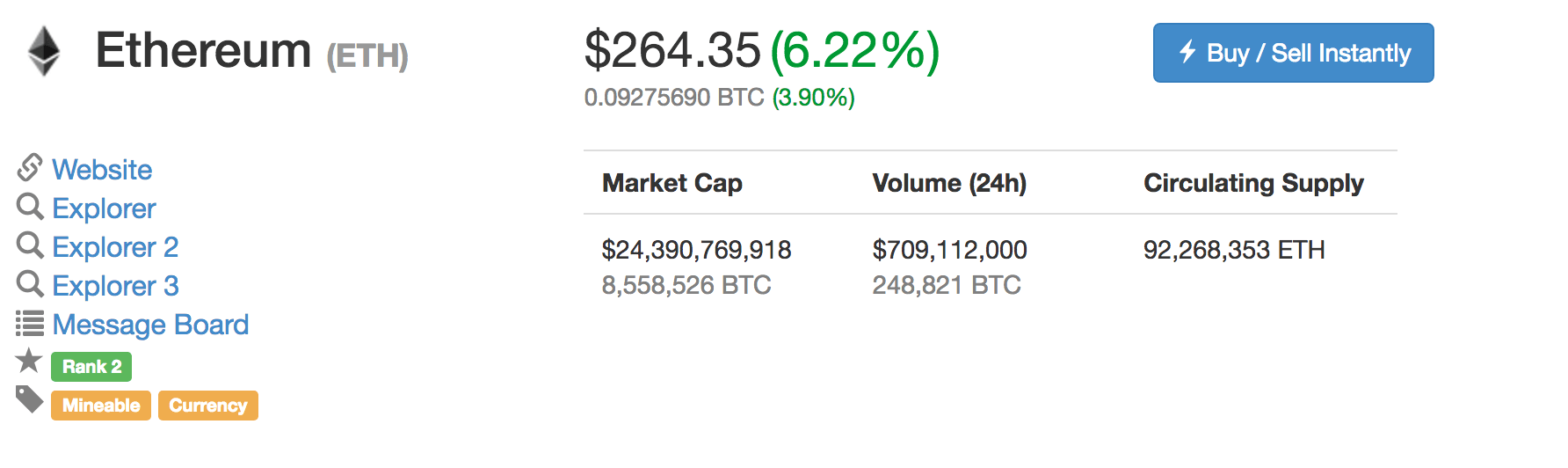
Naval: I mean is this crossed like eight or nine billion today. Yes. The money caps are fuzzy because if you calculate a properly based on the future issuance of the coin it might actually be approaching its market cap and might be in the $20 billion range. Once you take inflation into account.
Nick: Anyway even with just the 10 millions out there are millions out there now. That’s a lot more money than Bitcoin had it at the same stage of maturity. So I’d have to say it’s at a riskier state. It’s also a much greater potential.
Naval: Yeah. I mean this is now I think we’ve done a lot of backgrounding. And I think what people really want to hear from Nick about is a little bit more of the advance stuff. Right. Because you did bit gold you did smart contracts.
So they kind of want to know where you think the future is headed and I know the future is impossible to predict and again not investment advice but really generically what platforms are you most excited about. Where would you spend your time if you were like a young fresh person walking into this space.
Nick: So I am excited about Ethereum and and Ethereum classic and there’s a what’s called a side chain for Bitcoin called rootstock that they hope to combine together the best of Ethereum with bitcoin on the chain so you can trade the Bitcoin currency but do the Turing complete full fledged smart contracts.
The potential there is that and there very well could be other Turing... I mean there’s a few other Turing complete ones out there and probably quite a bit more in the works as well. Anyway the potential for this stuff is that doing cross-border things and other things where you’re crossing a trust boundary and you don’t necessarily have access to good legal legal affordable legal counsel for financial contracts especially as the low hanging fruit because those are usually very well-defined and bureaucrats like to make complications and all sorts of epicycles to them.
But really an option in the future and stuff there there logically and temporally pretty simple things to do. And once you get more of the underlying assets you can do options and futures you know as for example exchanging bitcoin for Ethereum and we were getting all these other tokens that are going to be on these block chains you’ll be able including that.
Now if you go off block chain you’ve got to kind of take a different tack.
Naval: In otherwords if you’re connecting your smart contract to the real world you need you need to know what happened in the real world to decide whether or not to execute your right.
Nick: So if you’re doing an Apple stock for example because that’s that’s a traditionally defined thing that depends on traditional systems to make it work. Incentivize Apple to pay dividends and and do what they do. In any case if you want to do that then all of a sudden you’re back in the traditional financial world and the traditional financial people know that right now there’s like a cultural disconnect that Bitcoin people have a really cool technology and but they hate the people in the financial community and don’t want to talk to him don’t learn from them.
And same to some extent with the Ethereum and people as well. And on the other hand the financial community people hate and don’t understand blockchains and cryptocurrency in fact there was a whole bunch of very dubious startups that raised a bunch of money to do things they called blockchains that were they didn’t blocks they didn’t have chains they weren’t didn’t have that security. I was talking about but the marketing people have one called them blockchains. They could pretend to be like Bitcoin.
You know the price going way up…
Tim: 50 million dollars in financing later…
Naval: Like most of the private blockchain companies?.
Nick: Yeah I’m not going to name names. Yeah yeah. So the financial people don’t understand it and they’ve gotten burned by some of these companies. They hate they they hate it.
But what really I think for that entrepreneurial opportunity and some of your listeners want are looking for an entrepreneur opportunity is to marry these two. So pick the best of traditional finance take the best of the block chains Ethereum if you’re doing sophisticated smart contracts willing take some risks and Bitcoin is your main thing is cross-border payments. Take these and marry them together.
Figure out ways to securely reflect assets on the block chain using both traditional financial controls and bureaucracy and taking advantage of technology. I think that’s the that’s the opportunity people haven’t done yet because of this cultural disconnect.
Tim: What would you say are some of the most important or valuable components of the traditional finance world. Like where would you start.
Nick: The traditional paper world was really good it had a thing called separation of duties where we talked about multiple people signing off on things and looking things you have to go through multiple stages like if you get an order the salesperson has to give the order to the accounting department and they have to give the order to the manufacturing people and everybody records that. So it’s like a little mini mini paper block chain that people used to have with computers that’s kind of gotten messed up and hackers can know what they’re doing can take advantage that these systems don’t work as well now.
But to a great extent you can make them work and people do make them work you know with stock clearing and settlement and issuance and so forth. So anyway there are experts in the financial community. You know and if you can if you can make them love instead of hate block chains then you’ll have a great great skill set combination if you can get the block chain people and those guys together.
Naval: Yeah you know interesting one because you combine law and computer science to do unusual things and you’re basically saying you can combine traditional finance and now computer science you do unusual things and somewhere that intersection set you can take a process that’s entirely paper and move the part of it that belongs in the block chain on the block chain while plugging in the paper part.
Nick: Or it used to be paper and somebody just naively ported it in some naive insecure fashion to computers and now you can use block chains to make it seem like they’re more secure and trust minimized.
Tim: On the side of educating oneself. So let’s say there are people and I’m sure there are listening who are part of the the the traditional finance world. You said that sounds like a great idea. I want to learn how to love bitcoin and cryptocurrency. I want to learn about this. How would you suggest they choose reliable sources of information.
Because as we’ve noted before. It’s a bit of the wild wild west in some respects and you don’t have. Not everyone is making disclosures about what their their own portfolio might look like. So there are a lot of barbers telling you should you you get a haircut. And how would you suggest people think about that.
Nick: I mean if you’re technical and want to dive into the engineering the technology of it the Bitcoin white paper is still by far the best place to start. And Vitalik Buterin Ethereum paper also.
Tim: What was that name again? Vitalik Buterin.
Naval: He’s a guy who created he’s the lead developer on Ethereum. Is actually interesting the young prodigy. Probably like 20 or 21 now started when he was 18. Absolutely brilliant.
Nick: There is a guy named Aviv Zohar has written some great papers one of them is on Ghost which is what a Ethereum is based on. And he’s got a follow up to that whose name escapes me. And he’s also written a coauthored a great paper on attacks against Bitcoin from the underlying network. So he’s one of the experts on the security of Bitcoin which is a skill and not fit in scarce supply.
Naval: So one of the problems and opportunities here is that you know going back to that earlier thing it’s about money being the bubble that never pops up. Bitcoin has kind of a Ponzi scheme scheme that starts with smart people.
So the smartest people understand it first then they sell it to the people who need the cryptography explained to them like me and then we sell it to the people who need the next level down. And the whole thing could pop and end badly. So I’m not saying go put all your money at bitcoin but I think to understand blockchain computer is you sort of have to get into the math and the code and the hard stuff.
But if you wait to figure it out by the time everyone can figure it out with the same tools it’ll kind of be too late. From an investment or earning perspective it’ll be too late.
Tim: From an investment perspective not for me from the utilization standpoint of course you’ll be able to use money just as we used to. But you’re not going to be investing in something that is going to a hockey stick.
Naval: Yeah the challenge for the industry is like today Bitcoin has all these advantages that gold. You know it’s it’s more easily transmissible it’s more sub-divisible it’s more easily stored. It can be communicate by computers. But the average person that means nothing.
All they need what they need to experience is they need to receive some bitcoin in a transaction and then send some bitcoin transaction had the experience be so much better than every other experience they’ve had with money or with gold and the tools just aren’t there yet. Like right now securing your bitcoin for yourself is still difficult. The hardware wallets are getting better but it’s still kind of a nightmare.
So I think the industry still has a decade of work to do to make cryptocurrencies live up to their potential. And the idea space is so large that all these companies working on it. But every year it gets a little easier to use. It has a few more use cases. It gets a little easier to store and smart contracts that are built on it become a little more interesting.
So that is a process and eventually you’ll be able to use bitcoin without knowing anything about it’s like you can use US dollars without knowing how the Federal Open Reserve Open Market Committee works and you know does the lending and issues Treasury bills and all that stuff.
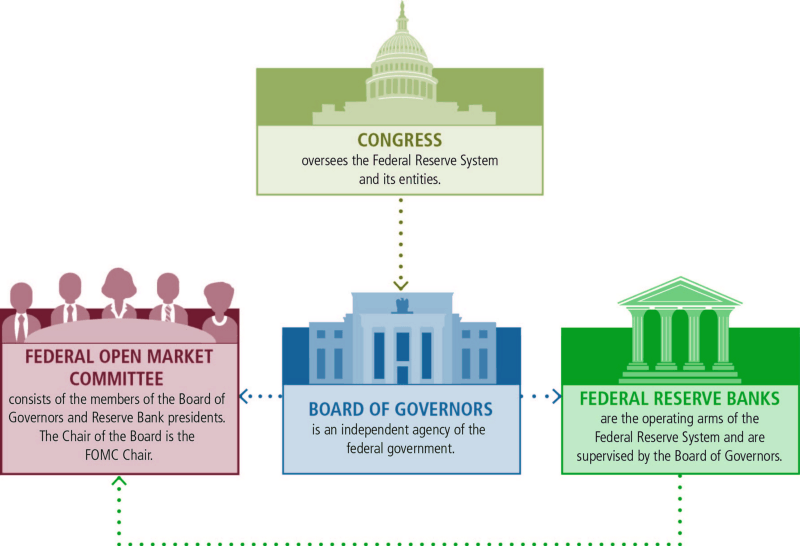
There’s only a few geeks who need to know that in the world of finance and you can just use money like it’s money.
Tim: Just to clarify one thing you said you said money is the bubble that never pops. You’re talking about the concept of money. Yeah the concept of money because individual currencies can. Sure. I mean I lived in Argentina literally like 2002.
Naval: Yeah. Tomorrow we all believe that the U.S. dollar is just a green piece of paper and I can’t eat it. I can’t do anything with it. Or if aliens came and took over the world.
And you know we offered them little green pieces of paper. They’d just use it to start a bonfire or something. Right now so the money is just a concept and I have to agree on what that scarce element is. And today that scarcity is enforced by governments with guns and central banks and it breaks down national borders and the people who secure that money for you take a huge tax roughly a third of the economy in exchange for it and eventually it will be a distributed network of computers acting in self interest who are going to secure that the scarcity of that money and hopefully their taxes are going to be a lot lower.
Tim: What else would it be you’re obviously much more on the pulse of this but what other topics could be beyond my pay grade apparently is but should we explore with Nick?
Naval: Yeah I think I think you know just talking about blockchains in general so we started with Bitcoin the blockchain which is around transferring money. There’s Ethereum blockchain and others like it which are about computation and running very slow but very trust minimizer reliable contracts. What other uses can you see for block chains coming up that you think maybe a little far fetched maybe ten years out but what’s you know what’s a possibility space.
Nick: Well and one of the possibilities is that I’m really excited about the cross-border thing to have to say grandmothers in India and teenagers in somebody’s basement in Indiana doing what people formerly thought were sophisticated financial contracts such as options, futures and cetera. You know through this online vending machine in the cloud that’s the block chain. So that’s an exciting and probably to many people disturbing possibility I think is going to be coming up in the next 10 to 20 years.
Naval: Yeah I mean so you could have people loaning each other money or creating credit instruments or engaging in prediction markets and things like that. Yeah.
Tim: Would do you mean by prediction markets?
Nick: Well I’ll talk about one that the insurance people are working on which is related which is parametric contracts. So normally insurance will pay out you know if you get damages from a flood and they have to come estimate your damages which is basically a wet human exercise and you know eyeballing how moldy your wall is and how much you got flooded and stuff but a dryer way to do this is called parametric contracts where like if you’re a hotel in an area got hit by a hurricane.
You can measure how much business you lost on your accounting books and you can parameterize that and basically have your smart contract pay off if your books go below a certain time or pay you more as your books go down so that insurers kind of what you really want to insure the hotel really want to insure which is their business. And it’s also a dryer.
It can be done by software verifying you know what the books are saying make a smart contract on that. And there are other. Parameterize contracts as well based on other things that computers can sense and measure.
Naval: And prediction markets are you know people can actually make predictions and get paid if their predictions are correct or lose money if their predictions are wrong and then these prediction markets can also serve as arbiters of truth and pricing into these smart contracts.
So for example you know in Nick’s case the example you tie in directly to the hotel’s books the hotel’s lost revenue and so you know whether or not to pay the hotel. But if there is a flood I want to say it was the hotel in the affected area was the hotel itself affected. You need now what is called an oracle.
You need someone who is basically going to go in there and say look yes this happened no they didn’t and prediction markets through very sophisticated engineering which I think is beyond the scope of this conversation. Basically try and pay that person for telling the truth in a reliable way.
And so you can use that to cross the divide between the wet space and dry space or from the real world into computers to have them do these things you’d see you’d see the insurance markets being completely overhauled by blockchain computers and insurance the huge industry is gigantic. A lot of it just belongs in the block chain. I don’t think you’re going to have like you know bankers in Bermuda doing this 20 years from now.
Tim: You do not think?
Naval: I don’t think. Yeah.
Tim: Because of the technical barriers to understanding or challenges let’s say lead. I think the space to be susceptible to say charlatan’s for a very smart who can fool people who don’t understand technical aspects is that a…
Naval: A lot of scams in the space.
Tim: How do you know what are the characteristics of charlatan’s or scams in the space?
Naval: You know it used to be easy to spot but louder they talk the scammier they were. Now I think it’s the scammers have gotten really sophisticated some of these scammers don’t like version 5 of their scam. So they’ll be selling some coin and they’ll be talking about how it enables some functionality when reality the code doesn’t or they have some backdoor where they’re selling your scarce coin but they can print a lot of them. So in that sense you know there’s there’s a couple of coins that are sort of in the top set that are regarded as top flight. They’re legit.
Tim: What are those?
Naval: Bitcoin, Ethereum is a kind of best known ones. Then there’s sort of a second tier contender list of you know Zcash, Monero, litecoin, et cetera. You know some new ones coming up like Tezos that these seem more legit but you have to know your stuff and do your homework. It’s not something where I would recommend just run out and buy.
And then there’s a long tail of coins where there’s a diamond in the rough here or there but there’s a lot of junk too. What’s attracting people is just how much money you can make in this space. You know Bitcoin has basically doubled in value every year since its founding. So it’s and you know you do that for eight 10 years and you end up with a very very steep curve something like Ethereum.
If you bought it when it was sold in the original pre-sale today and just a few years later it would be sitting on hundreds and hundreds of times your money and you’d be fully liquid. But this is not unrecognized the space has increased in value so much the market cap of all the cryptocurrency currencies is more than doubled just in the last quarter. So there’s a lot of hot money flowing in.
Will is flow back out possibly. Are we in a bubble environment. Probably will this bubble pop. Nobody knows. Will pop across the board or will it pop selectively.
Tim: Or will it pop later than a different pop so won’t matter. It will be a flight of money from one asset class.
Naval: Exactly or will the value switch from Bitcoin to Ethereum will Bitcoin fork into two competing coins because people are arguing over whether the block size should be increased or not. There’s so much craziness…
Tim: Just to just to pause on that word because this when I was attempting to educate myself and doing a pretty mediocre job of it this word fork came up over and over again in my mind I’m envisioning someone reading a lot about the sort of the making of the modern world and Genghis Khan and all of this stuff. And anyway thanks Dan Carlin for the hardware history. You would always you would have these internal factions that would then split off as two or more single this in this context what is for. I mean how should how should I think about it in a coherent way.
Naval: This is open source code so I can take a coin. I can create a copy tomorrow and it can change said all the benefits go to novel and write and that’s a form of bitcoin that I’ll call Naval coin. Now in reality people hopefully do more interesting forks. So there’s a fork of Bitcoin called litecoin which use a different mining algorithm different way to authenticate the miners. There’s another fork called Zcash which uses different privacy routines to basically allow for private transactions so other people can’t look in the ledger know who who spoke to who got it.
Tim: So not every node has fall ledger?
Naval: Correct. Well and every node is the full ledger but it’s cryptographically hidden. So you can’t tell who’s set who how much money.
Nick: Now in the fork’s you just talked about Zcash and litecoin when they started from scratch. They they started their own transaction history from scratch. There’s another more troublesome kind of fork where you don’t start from scratch you’re just upgrading the current software with the same transactor with the ongoing transaction history and you’re trying to convince people to follow and become a very political political process to be fighting over the transaction too.
And since you know Bitcoin has you know the 20 plus billion dollar value you know people would much rather you know make put their favorite idea into Bitcoin than go off and start their own cryptocurrency from scratch. It’s like Bitcoin only better. Yeah yeah. And so there’s there’s tremendous political fights over upgrades in this space. So it’s the bad blood comes.
Naval: There’s a huge debate right now in the Bitcoin world where they’re fighting over and the basic question is do you increase the size the ledger the block size debate do you increase the size of the blocks to hold more transactions. So then you can bring down the cost of each transaction that I can go and buy coffee in Bitcoin. Or do you leave Bitcoin alone and treat it more as like a Swiss bank where you only move around.
Money rarely in large quantities. And the smaller transactions are done on another layer on top where you create another software layer on top. They call it like lightning network is an example of that layer which can be used for very small very fast transactions and micro-payments or even micro even like paying $5 for you know at Starbucks because Bitcoin literally every time you do a transaction there are thousands attenders thousands of computers all over the world that are recording that replicating that and storing that for all the time.
Right. That’s a lot of work where you could probably run all of Visa’s computational power on a single iPad today as much as centralized systems are much more efficient but they’re much less secure. That’s kind of the tradeoff.
Nick: Yes. And so this yeah I mean the first choice isn’t for the blockchain itself really a viable choice in terms of scaling as it scales from you know 10 times the value of transactions value per second of transactions is today because the capacity is limited to these full nodes that are running that require certain bandwidth they have to talk to a lot of people make a lot of copies to replicate the stuff for them.
And so there’s a second layer Naval I was talking about that really the people buying the coffee are going to have to transition to and this has caused a lot of friction because people are going to have to transition for the smaller everyday purchases from Bitcoin that block chain itself to this second layer. And there’s competing designs for he second layer and so forth and so there’s there’s plenty of things to cause political friction.
Nick: Oh I’d definitely for a second layer. I mean I design gold with two layers because.
Tim: And can you explain just. I must have lost something. Just what that second layer is. One more time.
Nick: The first layer is the block chain itself. The Bitcoin we call the capital B block chain. Doing a secure transactions. And the ones you can do from Albania to Zimbabwe without a trusted third party going through the block chain. And the second layer and the ability to grow the transactions per second on that is very limited. You can grow the value per transaction quite substantially. But the ability to grow transaction for a second is limited because those have a certain size and you have to make copies of them around it and so forth.
Tim: So the second layer would be for the coffee.
Nick: Yeah. And so as this grows is more and more people start using this. They’re competing for that limited block space and the fees are going up. And so if you want to have a cup of coffee without having to pay as much as you paid for the coffee you know two three or four years from now you’re going to have to use one of these side chain or what I call peripheral financial network that it’s collateralized on the block chain it’s almost trust as trust minimised as the block chain itself. But as for lower value transactions and only periodically settle on the block chain.
Tim: We talked a little bit about the. I suppose third party tools sort of application layer exchanges and so on the user experience being suboptimal currently. But what if you could wave a magic wand. And make certain things happen to make certain people invest in say Bitcoin. What is what would be required to help Bitcoin cross the chasm to become much more mainstream.
Maybe it’s just inevitable and it’s a matter of time that could be it. But if you want to accelerate the process and it was like OK we can wave a magic wand and you can choose any group of people to invest say $10 billion into bitcoin or whatever the number is and then fix X Y and Z that would help mass adoption and the crossing the chasm. What are the things that come to mind?
Nick: Well I mean currencies have traditionally been associated with governments because especially in modern times are the largest creditor and the largest debtor and so there they have the plurality of the say in what is the you know the the money other people are going to use.
So right now Bitcoin is being used for niche purposes where the fiat system which is a very was like all permission systems or blacklist people I’ve met people at bitcoin conferences. They’ve got plenty of money and stuff but they’ve been blacklisted. They can’t open bank accounts and so forth.
Naval: So there’s actually the heart the hardest thing is…
Nick: (edited?) not necessarily It could be just they’re you know they’re suspected of something or the money laundering laws are such that you know if somebody does something that looks suspicious. You have to block it. And so there’s a lot of things of that kind of very erroneous error prone positioning that goes on with the bank system that doesn’t go on Bitcoin.
Tim: Yeah. Or paypal. I was just thinking of a friend from New Zealand for a host of sort of coincidental factors just had a huge huge number in his hand that took months to resolve.
Naval: The way I participate in cryptocurrency investing these days because I don’t want to have to worry about. How do you procure it. How do you secure it or even what to buy as I invest in hedge funds in this space and I’ve actually joined one loosely as a venture partner.
And the biggest problem they have is getting bank accounts because the regulators just dig in too much if you’re sending money in and out of Bitcoin or Ethereum exchanges it’s just something they haven’t seen. And they don’t want to deal with it because banks don’t they don’t have a system to charge you more for new weird stuff. So just plugging into the existing banking infrastructure is hard and that’s probably where if there if countries do crackdowns it will probably happen in that area.
Tim: So how do you fix it. Or if if you had close to infinite resources and could just make certain things happen to facilitate good things or prevent bad things.
Naval: Yeah I mean first I would plug them into the existing banking system in a much better way the existing banks you know should accept that if there’s a legitimate player here they’re only working with currencies that aren’t scams. Maybe they have some you know bonded collateral or something like that and they’re legit actors they should be part of the banking system because the future of the banking sector…
Tim: There must be banks because banks are in all shapes and…
Naval: So they do exist. They do exist. It’s just they’re much harder to find the you would think so and…
Tim: They’re in Romania down the street from 20 Western Unions…
Naval: And they’re warming up to the forward looking ones are warming up to it. But we’re talking about going from like one bank in the country to like 10 banks in the country you know or five. So it’s still not a large set. These are small banks generally…
Tim: Feel like Singapore should get on his case.
Naval: This is why some of these companies are going to Singapore actually. And actually the the the worrying trend that I’m seeing is a lot of the more interesting development teams and companies are all locating overseas.
Tim: Fleeing overseas.
Nick: One thing is Bitcoin and the other cryptocurrency they operate under such different principles of the banking system that people in the banking system they look at you know these debates about block size and the people calling each other names.
Basically the low level of trust that exists because it can exist in the Bitcoin community and they’re horrified because you couldn’t run a bank that way. You have to you have to be much more polite and careful and
Tim: Because they’re wet…
Nick: Right because it was a wet social system rather than based primarily on dry computer science.
Naval: Yeah you have a system here that allows anonymous trolls to engage in complex financial transactions so they can they can scream at each other in call each other names while still doing business.
Exactly. That’s the power of this system. It looks it looks terrific from the outside.
Nick: And that’s why you have this cultural gap as people in the banking system look at this and they go this is this is well you can’t possibly work.
Naval: But to actually answer your question just like what infrastructure needs to exist to make this space happen. Security is a big issue. I think your average person today if they buy coin they don’t know how to deal with what’s called custody which is how do you hold on to it in a way that if you if you don’t go overboard in security you get hacked. And if you go overboard and security you’re going to forget your password or lose the private key of going to be bulldozing.
Yeah you know through a garbage not you know it all or you or your kids playing with the computer and wipes out your file and there’s no way to get it back.
Yeah. So I think the secure custody has to be solved. And as Nick mentioned earlier there are hardware wallets that are out there that are starting to get pretty good. They’re getting good enough now that you know the sophisticated people can use them but eventually they’ll have to get so good that the average person can just use them without having to think too much.
Yeah. One of the interesting things here is that Nick’s blog is called unenumerated and we’ll let him explain what that means.
Nick: So the tagline is an endless variety of topics. It’s going to come to an end someday but I don’t limit myself. Basically what it means on the topic if I if I think of something it’ll probably be relevant somehow but it doesn’t necessarily have to be so I don’t want to like peg myself as a certain into a certain subject matter. Basically what it means Yeah.
Naval: And so I think the larger point Nick doesn’t pigeonhole himself and his interests or his identity. And so that allows him to be more free and explore a wider range of intellectual topics. And so that’s why I really enjoy reading the blog.
And so that gives me sort of the next set of questions which are all around just random things on your blogs that I that I’ve read are things that I’ve heard you talk about which may not necessarily relate to Bitcoin or block chains. Now you were the first to really convincingly argue and this goes way back about why micro-transactions and the Internet were much less likely than people thought because when I was growing up on the Internet in the late 90s everyone thought micro-transactions were just around the corner.
Tim: What would be an example of a microtransaction?
Naval: It’s like every time I hit a web page with a with an article I pay 10 cents to read that web page or every time I listen to a song I pay a penny. Listen to that song.
Nick: Well it goes to a distinction I made earlier that computational costs versus our mental costs and the computation costs have gotten a lot cheaper and our brains still same size. So when you’re doing a transaction you’re doing a a thought in your brain about is it worth it. And that thought itself is costly and it’s costly now as it’s ever been.
Modulo you know you get a few extra market prices and some more information but the brain is still the same size so just because computer scientists are thinking well because we’ve reduced the cost so much knowing do these really tiny tiny things because we can do things much tinier and a penny. But the trouble is that our brains can’t handle computers could but our brains can’t. So that’s what the idea of mental transaction costs.
Tim: The mental burden. Right. And so there’s a quote that I really enjoyed and I’m going to try to not take us too off track. But there is no track. That’s the good news. I think this is.
It is a profoundly erroneous truism repeated by all copybooks and by eminent people when they’re making speeches that we should cultivate the habit of thinking about what we are doing the precise opposite is the case civilization advances by extending the number of important operations which we can perform without thinking about them. — Alfred North Whitehead
Is this applied elsewhere in your life outside of block chains thinking about code and soul and I mean do you. Are there ways that you minimize cognitive burden in other ways in your life minimize cognitive burden or any way of making these small decisions sort of cognitive micro-transactions.
Nick: Yeah I would have to think about that for other things. I know what I was thinking there also that he was being quoted by Friedrich Hayek who is talking about how knowledge is distributed and markets and so markets have traditionally been a tool where you can communicate what we want and how much we have for it and stuff. And that really economized we’re only accumulating.
You know we’re only using a few numbers instead of you know going on and on about what we want and how much we need and how much we didn’t more deserve it more and the other guy and so forth. So that right there is a tool of social scaleability because it reduces what could be a long and drawn out argument over you know too few numbers.
Tim: Now I was asking we obviously don’t have to get into it because there may not be a ready answer but because I was I was with a friend very very successful investor close buddy of mine. We were walking through the airport and having a conversation and he said No I’ve realized that I optimize.
Now I used to optimize everything he said. Now I optimized one or two things and for everything else it’s just good enough. Basically de-optimize everything else. And it’s made me in his mind incredibly more effective by actively de-optimizing which which I find interesting concept.
Naval: Yeah I mean you just can’t focus on everything. Charlie Munger is a famously bad driver. He’s a probably a menace on the road. That’s a good. He probably takes Uber now hopefully. But what’s the point of being a good driver today. Especially if you have some other scope in your life you can add unique value.
Yeah in fact it’s so reading your blog that all these other little gems that I’ve found that…
Tim: Can we go back to word or name origin for one saying it sure does unenumerated have anything to do with the Ninth Amendment of the United States Constitution.
Nick: It does relate to that too because unenumerated rights meaning you know there’s new things going to happen with technology and other unexpected things in the future. And we need to define rights around those. And so you don’t want to limit yourself to just that old list of you know we have a right to a free printing press but we don’t have a right to speak freely you know on Facebook or Twitter or so forth. And so you have to adapt old ideas future.
Naval: So basically just because the right is not explicitly listed there doesn’t mean you don’t have it right. All the unenumerated rights you have by default and it’s only the ones that are actually restricted the ones that are restricted and that’s something that I think our government and constitution scholars of the day just completely forget as shown by the whole surveillance debate. I mean shouldn’t even be a debate.
There’s no I mean the right to privacy is very clear and even if it’s not explicitly spelled out our phones are private and our computers are private and our conversations are private. The ways of thinking you know the process of thought itself is kind of interesting right. After a while you get introspective enough and you like how I do my thinking itself. And one of the things that we run into online a lot is people jump on any little contradiction right.
If I say something on Twitter and if I said something different a year ago or maybe out of context a different conversation people would jump on me and say well that’s not what you said. And so and so it’s like a big gotcha. Right. So I think we have this false consistency that we all try and throw up when the reality is we’re always changing our minds. And you know I forget who said it was somebody said when the facts change I change my mind. What do you do? Right.
So I’ve gotten OK with this concept of contradicting myself right. Walt Whitman said like I contradict myself very well then I conduct myself. I am vast. I contain multitudes. Right. So I’ve gotten used to that. But then I encountered a concept in your writing Nick that I liked which is called quantum thought. I don’t know if you even remember this. Do you remember it?
Nick: Sure that comes from Law school so last law school that is a very different way of thinking and that you need to take you know both the defendants and the plaintiffs side of the issue both sides of the issue and run down the arguments as if each one of them is true they contradict each other of course or at least the conclusions and some of the sub-arguments contradict each other. And so I compare this to Schroedinger’s cat maybe it’s alive maybe it’s that maybe the defendant is guilty maybe…
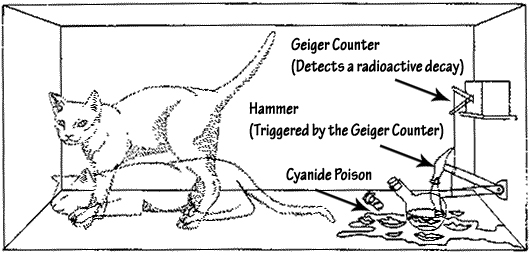
Tim: The cat in the box…
Nick: maybe they’re not. And you have to keep both of these in your mind at once.
Naval: Yes. I mean this is not how we are socially taught to think socially we’re taught you have to have a point of view you have to have an answer you have to pick a side pick your tribe fit in and then defend it and be consistent. But the reality is really complicated.
And so if you’re really smart and you’re operating on the edge of any field or trying to figure out anything new you probably need to have quantum thought you probably have to hold both states in your head and constantly be weighing probabilities. And if you’re not shifting back and forth then either you’re not doing something cutting edge or you’re not being intellectually honest with yourself.
Tim: Question for you about this and I’ll just start with just an anecdote which was I was at a friend’s house recently and it was a gathering of 20 people or so and there were some structure to the weekend and people were broken out into groups to have various discussions. Everyone there very intelligent normally highly rational.
And politics was the topic of the day and it just devolved into acid spitting and craziness almost immediately with the exception of one session. And the reason that session was different. Is that the moderator said before we get started I want to go around the room and everyone needs to pick one piece it could be a tiny piece of the opposite side the person they disagree with and just argue for its validity for even 60 seconds and go around the room and did that.
And it took ten minutes and then everyone was much more open minded and patient and productive in the conversation. So my question for you leading off of that is how have you trained yourself to practice quantum thought or how would you recommend someone develop that? Because it’s not something that most folks think about. Certainly something historically I didn’t dedicate a lot of them thinking about. I was always more concerned with defending whatever position…
Naval: I feel like everyone else should be engaging and it should stick to my positions because I know they’re correct.
Nick: You know quite a few law tests a few Law School tests to get used to. The one thing you could do is take the first year of law school. And learn how to do this. But imagining that you’re the other person certainly going through their arguments and you might even imagine it as a courtroom and you trade places you argue for one side and then the other so you can think of it as a courtroom in your mind I think might help some people.
Tim: Seems like people who have either self-selected by gravitating towards debate or taken debate where they’re forced to take opposite positions and can it is helpful…
Naval: This is classic Socrates right he would always he would always just keep digging and arguing the point and you could never pin him down on his beliefs because he was always exploring the thought space…
Tim: And also I mean this practice of people who are like I don’t want to be open minded but OK. You’re not going to explicitly say that but if you want to be maximally persuasive you know Charles Darwin actually did this very very well what I’m about to say in Origin of Species is instead of straw man thing and I think Sam Harris has used this expression… Steal Man-ing.
So in other words he would. He would try to anticipate the objections that people would have. And then he would not take the sort of weak and flimsy version of their argument he would build it up and make it as compelling as possible before he would counter it in his own writing.
Naval: That’s the intellectual the honest way to do it which is…
Tim: It’s also a very very effective way.
Naval: Right. Yeah. Because then you’re actually then you’re actually arguing on the real merits not on what you know on the anecdote you picked out of it that you picked to attack.
Tim: Neil Strauss is a time New York Times bestselling author who’s been on the podcast but he said every time he edits his own work first he himself keeps. He wants to keep it interesting fun for himself. Second he and it’s its first fans make sure everything is clear and then he edits for his haters so that he can steal men and bulletproof things to the extent possible.
Naval: Twitter has taught me that. I mean you have got 160 characters. Everything you say 140 most of the time everything you say will be taken out of context and are used to attack you. So you really just have to boil it down you have to hone it. And I tweet mainly because it helps me clarify my own thinking. You know it’s great the exercise actually you. Yeah I think the accidental limit from text messaging days turned out to be a huge bonus for Twitter.
Yeah I mean so it just kind of moving. Moving on a little bit. There are these other little phrases you coined that helped me crystallize my own thoughts. So there’s a there’s a class of things that people seem to worry a lot about these days whether it’s an asteroid hitting the Earth or you know a poc apocalyptic scenarios floods Skynet Skynet AI. You know that’s to say even like near-term climate change predictions like I think we’re all supposed to be under water by 2020 or something right.
But there’s definitely a class of people who will take anything on the Internet and blow it out of proportion and sometimes it can be a warning sometimes can be good sometimes bad. The general I think is one of these and you summarized this whole class of statements under what I thought was a brilliant little moniker Pascal scams. What does that come from?
Nick: So that comes from Pascal’s wager. It can be applied to any any claim that there is an infinite or very large reward or punishment or outcome of positive or negative nature. And the argument goes that even if it’s very improbable because this this reward or outcome is so large you should pay attention to it.
Naval: And Pascal originally basically said you have to believe in God gods just in case because it’s wrong you’re screwing for eternity.
Tim: God doesn’t exist. Who cares if God does exist and you don’t believe exactly.
Naval: So you should believe. Yeah. That was the argument.
Nick: The basic flaw in this kind of thing is there is an infinite number of infinite outcomes of you expand your space infinity there’s there’s an infinite number of things that can happen so you can’t. The odds of any one of them happening are infinitesimal. Right so you don’t get a large expected value when you multiply infinite by infinitesimal.
It’s some undefined thing you can’t really reason about but. But people do anyway. People try anyway. So they say well even you know. So this precautionary principle kind of stuff you can only take it so far.
And the other problem with improbable things is there are error bars on the probability you don’t know if it’s you know one in a billion or one you know quadrillions or something. So right there that changes your expected value many orders of magnitude usually you know people are trying to get attention and so forth or you know they have a job that depends on scaring you and they’re trying to they’re trying to make you believe the probability is higher.
Naval: Yeah. And to use Nassim Talebs language and you should definitely get him on the podcasts by the way…
Tim: That I can do that should happen I’ve had dinner with them a few times.
Naval: I think that would be highly entertaining. Oh yes. I want a front row seat on that as it is he is Talebs language. You know some black swan is likely to happen but any particular Black Swan is very unlikely to happen.
And so people are just trying to scare you with a particular black swan and because it can enjoy a world even infinitesimal probability has to be taken seriously and you can waste your entire life worrying about these things whether it’s suitcase nukes or you know another financial crisis or the world exploding or imploding or cooling off or whatever.
Tim: Now just just to touch back on the black swan though. Nassim and I first met if you can imagine the circumstances the day that Lehman Brothers officially imploded and highly improbable at least if you’re looking back a few years prior and he has done very very well financially by not letting on all black swans but betting on a few select black swans and bleeding in small chips for long periods of time before occasionally having something of a windfall like that.
Right. So in when you’re considering some of these improbable events how do you decide which to hedge by certain behaviors or not. For instance in San Francisco the I really went deep into training with the police department fire department for disaster response. Right. Looking at the potential consequences of say a high magnitude earthquake and is like OK it probably makes sense for me to spend a hundred bucks on instacart and
Naval: In reality just get out and get a trip on your stairwell and that’s more likely.
Tim: But the point I’m making is like most people have a fire extinguisher in the kitchen that they will never use. Right you wear your seat belt but you’ve probably never been in a high impact collision. So there are certain classes that are low cost very easy in terms of preventative. So how do you think about how do you how do you personally think about this. Right.
Nick: I mean but a not an auto accident not. No that’s not a problem that some sort of thing happens a lot.
Tim: It’s not an asteroid destroying the planet.
Naval: It’s a probability thing. Where where is that or the problem is spectrum is it. If it’s one out of 10000 You know you should probably worry about it or at least take basic precautions if it could if it has never happened yet it could happen and would wipe out all of humanity or like once a generation then it’s sort of in the sphere where you just can’t think about it. Or you just go insane.
Nick: Well I think and I’ve heard a lot of people to go and you know some more caution on a magnitude 10 quake in San Francisco could happen the odds are low but it could happen. You could keep that fire extinguisher around you can add some more or you could add some things. But you know the building you’re in just collapse on you anyway.
Tim: Well I mean…
Naval: There’s this extreme example this the one that you know a lot of people in our social circle are constantly peddling is a singularity example. It’s very seductive one. You know even Elon Musk who’s otherwise absolutely brilliant seems to be taken in by it. And you know I give him credit for for worrying about it and thinking it through and so on. But it’s just another one of these Pascal’s scam it seems like…
Tim: Can we come back to just because I know we’re going to. That’s right we’re about to really like that pinnata with this hornet’s nest. Yeah is full of candy. I don’t know depends on how you go about it nut before we get there Nic is there anything that you worry about that many other people don’t worry about.
Nick: Things I worry about that many other people don’t. I don’t know people worry about so many things I don’t know. But I mean people worry about privacy but that seems to be going the wrong direction any way you talked about the Singularity I heard somebody coined the phrase I forgot who it was creepalarity that we’re slowly life is getting creepier and creepier is more strangers are appearing in on more and more personal parts of our lives. So I worry about that.
Tim: Got it.
Naval: I do podcasts won’t help you.
Tim: Do you take. Do you take preventive. Any particular preventative measures that other people might find helpful.
Nick: I do. But a lot of them are security through obscurity. So I can’t I got both.
Tim: Understood. All right. So singularity lead the way Naval.
Naval: Well actually before we get into that I think the privacy issue is really interesting one because physical privacy is being utterly destroyed and if other people realize the extent to which is going away because cameras are essentially ubiquitous and face track and everyone can track everything except privacy is possible in one realm it wasn’t possible for was it digital privacy and that’s encryption. That’s the story of blockchains and blockchain computers.
Blockchain computers can enable digital privacy to a level that you just couldn’t get otherwise. So one of the sets of things we didn’t talk about is things like Z cash and Monero and other block chains that are all about privacy. And if you want touch on that at all.
Nick: Yeah there are a couple. So you can achieve because Bitcoin doesn’t require identity you can achieve some minimal amount of privacy but once they track you know to go to the again the Bitcoin Fiat exchange they can tie the address to an identity that way and trace it back and there is a minimal.
Naval: So if you buy on an exchange they’ll know what account that the money was sent to or the coins were sent to. And then every time the coins move someone can analyze a block because they have a copy too. They can say it went from account x to account y account y to z and they might lose track somewhere along the way. But I haven heard someone say that law enforcement is starting to refer to Bitcoin as prosecution futures sometime in the future they will be able to unwind that transaction that they can that who was doing the ….
Tim: Like analyzing Lance Armstrong’s blood 10 years later. Like know we do have that but we still have a copy. Now that technology’s gotten better. Right.
Nick: So a guy named David Cho invented mixes and applying and mixing and blinding and applying this technique to money. Tor is a version applying it to communications but applying this to money so you can do a little bit of mixing or tumbling and Bitcoin. But Monero you can do it quite a bit better than Zcash has an even more advance. Privacy features.
Naval: Yes initially though Monero and I don’t want to the Monero community is very acetic and they fight the Zcash communities they go into battle of each other but there are different approaches.
One approach is I’m doing a transaction and there are five other people in the transaction we all pool our transactions together and then so someone who is trying to analyze the block chain will just see that five transactions are done and these are five spins. But you have lost they can’t tell what went to whom and something like Z cash takes it a step further and just the entire Ledger is opaque like it’s all cryptographically protected.
You can’t tell who exchange what. And there are these crazy complicated proofs that go into proving who still has what money and in theory Z cash is much is very private it’s sort of the extreme edge of privacy but it’s computationally extremely expensive in its brand new cryptography which hasn’t yet withstood the test of time.
Ethereum what makes a particular currency appreciate in value. I know this is probably a stupid question but I guess there. Because on one hand you have. These nuanced sort of technological features. Right. So someone might focus or say as a particular currency might focus more on privacy and then another my focus more on X Y and Z then you have supply a demand right of if Kim Kar…if Kim Kardashian gets up tomorrow morning and decides that she’s read a lot about Bitcoin and wants to Instagram about it for the next 10 days straight out. Imagine that would have an impact on prices.
Naval: I mean you can look at a framework of you can say first of all is this doing something novel and useful like this. Or is this useful is privacy useful is computation useful is exchanging money useful. Then you can say is this the right technology solution because there’s probably 20 other block chains competing for it then is it being adopted? Is there a network effect that people have in their wallets. Does the infrastructure exist or are they using it and then supply and demand and and that gets gamed a lot.
Sometimes the developers of these coins are pumping out more coins in the background you don’t know where they reserve the right to read the source code to figure it out. So that’s why investing in some of these extreme so-called app coins or coins is very scary. But there are other applications coming up that are really interesting. So there’s like a one coming out called FileCoin where I’m a small investor so disclaimer but there are others like Storj and others like that also that are basically trying to create a network of distributed computers that will do storage for you.
So instead of uploading your file to Dropbox or Amazon you can upload massive files into these distributed storage networks that will take your data encrypted split across thousands of machines and then they’ll test to make sure your file still available the network if you ever need it back. And then you’ll pay people in the coin.
And so people who you don’t know grandmothers in India might be holding a piece of your file and waiting to serve it back to you when you need it as a backup or just for storage or serving and you’ll be paying them fully anonymously and far away and the whole transaction is handled to the network. There’s another one called Blockstack which is building an infrastructure for the decentralized Internet including domain names names serving done and distributed fashion.
Today all the names servers are controlled by ICANN and Verisign and so on. But what if you could split that out amongst a distributed network of computers you could pay people in coin on the network for doing that. So these kinds of applications are coming up and for each one of these you look at like is it novel. Is it useful. What’s the competition? Is the code secure? Are the developers are scammers?
Are there back doors with supply and demand? So it’s still completely wild west which is both the opportunity and the terror of it. I mean I think the average person who’s investing in coins most of them is probably going to lose their shirts over long enough period of time because the scammers are really sophisticated. But I think the really smart people who know what they’re doing and maybe get a little bit lucky they’re going to make generational fortunes.
Tim: Nick what are your thoughts on singularity?
Nick: So well I…
Naval: Well get back to Pascal. I was going I was going to try to do something clever with generations but I was like you know what I can do this. A lot of the I see other scams and Pascals scams are these big scams where like you can’t calculate the probabilities because you’re dealing with the 30s. And the most recent of the Pascal scam that’s making the rounds is a singularity movement.
Nick: So I mean the idea of the singularity they’ve seen this exponential growth in computer resources and the fact that computers are outstripping humans and then they sort of impute from that. And you can also see computers take over you know things that used to be considered a sign of intelligence to be able to add and subtract quickly. And now computers can do that billions of times faster than humans. So and the gap keeps growing and growing.
Once the computer can do something the gap is just going to keep growing and growing. But the idea of the singularity tends to be that you get a general intelligence like it at some point computers can do everything humans can do. And also you know very quickly they can do it faster and faster and faster. They start designing improve versions of themselves. And it’s a runaway effect in human soon become obsolete.
Tim: There are prey for Terminators.
Nick: What I can’t predict. And so one of the one of the conceits is the idea that Ellen no longer be able to predict the future. The thing is that that’s basically true today for a lot of things you can’t. You know you know the stock market’s an ongoing running singularity you can’t predict day to day if you could you could make a fortune.
Naval: So you get a lot of arguments against it. Another one that’s just what does this general intelligence thing like humans or humans are highly adapted specialized machines and every other animal that’s around today including the cockroach is just as evolved as we are it’s just different fitness functions. And so it has a different concept of intelligence that needs to survive and machine intelligence that we’ve developed so far it is extremely specialized.
So there probably is no such thing as general intelligence. Instead what we have is machines that are brilliant at calculation but terrible at other things and now they’re getting brilliant face recognition but that doesn’t mean they’re going to be really great at me solving my next debate with my wife.
Tim: Well it’s something else you touched on that I appreciated and as a non scientist non-engineer who sometimes pretends to do such with physical performance and whatnot. There is as Feynman said it’s Richard Feynman. Everybody should read. Surely You’re Joking Mr. Feynman but I digress.
There is as Feynman said quote plenty of room at the bottom end quote but it is by no means infinite given actual demonstrated physics that means all growth curves that look exponential or more in the short run turn over and become as curves or similar in the long run unless we discover physics that we do not now know as information data processing under physics as we know it are limited by the number of particles we have access to. And that in turn can only increase in the long run by at most a cubic polynomial and probably much less than that since space is mostly empty.
It seems underlying the singularity is the assumption that exponential continues exponential indefinitely.
Nick: Right I mean we had exponential growth for computers for most of the last century. And so we have this vast resources that I’ve already talked about to take advantage of.
But the future you’re going to face these physics limits you know limits on the heat that your circuits give out. They turn into toasters and so forth. So yeah and it’s the limits set by quantum mechanics and we’re we’ve reached that in some. I don’t think Moore’s Law really applies to transistors necessarily anymore. The original Moore’s Law of the number of transistor that’s already…

Naval: You the physical limits of how far transistors can go. Then there’s the question of transistors in the right medium like maybe to exhibit our kind of variation of specialized intelligence. It needs to be on wetware like it needs to be on tissue and we have not yet gotten the growing brain tissue and then programming it. That’s a long ways off. And then you have deal with the fact that our brains evolve and our intelligence evolves in reaction to our environment and even genetic algorithms evolve in reaction to fitness functions.
So you not only would you have to create a computer that could run on our tissue to exhibit our kind of intelligence. But then you would also have to put it in our kind of environment and its rate of learning would be limited by what inputs our environment can provide. And if you’re going to do all that work then just have a baby takes nine months and we already know how to do it and save yourself some time.
Tim: Well on that point related to environment this is and you’ve written quite a bit on this but I underlined one portion quote.
So these evolutionary techniques in other machine learning techniques are are often interesting and useful but the severely limited ability of computers to simulate most real world phenomena means that no runways in store just potentially much more incremental improvements which will be much greater in semi global arenas and much smaller in others and will slowly improve as the accuracy and completeness of our simulation slowly improves.
Just to underscore what you just said you need access to the environment or the ability to create…
Naval: There’s also a probabilistic argument against General Intelligence which is the universe is so vast and so large that if generally it’s the same it’s the same people who make the general intelligence argument also make the we’re living in a simulation argument. Well they kind of both can’t be true because if we’re living in a simulation then that means that at some point we already invented a general intelligence.
Like when you get the technological capability to invent a simulation of this complexity probabilistically and you believe General Intelligence are possible through the mechanism described in the singularity then we probably already hit that along the way. So that means that whatever that general AI already exists which is living inside its sim.
So why do we have to worry about it suddenly emerging here and killing us all. So we’re both holding the simulation hypothesis in their head and the singularity being on the corner and it had sort of at a deep level contradicting themselves…
Tim: Particularly if at night I guess the simulation. I wish we had Sam Harris here to talk about. I don’t why I’ve mentioned so many times just talking about free will isn’t it. Interesting. Talk to you about that. But the the idea that something would come to be that is a thousand a million times a billion times more generalizability intelligent than we are and their priority would be killing us.
It’s just like my my my directive in life being running around killing cockroaches. It’s like no their cockroaches. I don’t really care so much about them but it seems odd that yeah…
Naval: I think that movie her actually did it pretty well which is you know when the general AI evolved in that movie it just left. I didn’t care about this world at all.
Tim: So Naval you’ve mentioned a bunch of things you’re not worried about. I’m curious to ask you the same question as Nick which is what are the things that occupy your mind more than perhaps other folks or many other people?
Naval: I try to keep a very low level of mental surface activity for anything more than whatever I’m directly dealing with in the moment. And one of the ways I’m trying to do that is by stripping away layers of identity so I don’t want to overly identify as Indian or American or Libertarian or Democrat or any of those kinds of things because one that sort of keeps me from actually engaging in thinking is I need to it’s all preconceived beliefs.
It makes me more defensive because once you know the reason you can’t talk about politics anybody because it attacks identity at a core level. Every tweet I put out I now know that even if I attack a general class of activity all the people who are engaged in that activity will respond.
So like I put out a tweet about how you want to you know Value Investing and venture investing are both long term investing and trading is just a get rich quick scheme which doesn’t work. And so of course all the people who got really angry about that I just clicked through their bio and sure enough there are traders like that. That’s what they do they trade all the time for Wall Street and that’s how they make a living.
So if you attack someone’s identity you’re shut down all conversation with them. That’s why politics political conversations don’t work. So conversely if you want to be rational and open minded you should not have an identity and less of an identity you can absorb can adopt the better.
Tim: How do you train yourself to identify less as Indian as a sense of why?
Naval: Human consistency bias a powerful thing.
So just when someone asks you are you a libertarian to say I’m not anything like a religious you know the same saying like Krishnamurti’s one of my favorite philosophers when he met the pope. You know the pope said to him like you know I’m I am Pope blah blah blah. You know from this lineage and so on who are you in question and he just said that I’m nobody. Right.
But he is serious. Like I don’t even know what I am just saying that’s here right now in this environment reacting to the inputs from the environment according to my conditioning and I’m trying to be as unconditioned as possible. But that’s why my my Twitter my my Twitter avatar is like a sketch of a human face because it’s trying to remind me to be unconditioned.
You don’t want to be over conditioned and you don’t want to be overly strong with your identity.
Tim: You guys mentioned Twitter earlier. So one of the things that you may have noticed I do this I routinely put out things on Twitter and Facebook that I use to cull my audience of hypersensitive people or that I know will just kick the hornet’s nest enough to force people to self-select one way or the other. And I have to be careful not to then accidentally create a group where they all have sort of group think. Exactly. I’m I would.
You want to link to prune the trees and the forest and the trees a little bit but also what that does is it gives me more if I I perceive having more freedom of speech or willingness to speak my mind because I’m progressively creating less and less of a reputation to protect.
Naval: So that’s right. You know I did the exact same thing which is I would say every every couple of months my tweet stream gets a little edgier or you know sort of pushed out the people who can’t deal with what I’m saying and have to them or block them or they’ve just unfollowed me. What have you and I didn’t used to block but now I’ve had to like it’s just because there’s always somebody who straw man whatever you’re saying get outraged and try and start a fire and assemble a mob around it to burn you at the stake.
And unfortunately a lot of the best people on Twitter have left because of that issue right with PMarca probably being the most famous. But you know you can put out 100 tweets a day and you say one thing wrong and one of them and they’re trying to burn you at the stake.
Nick: It’s always the most controversial ones of mine to get on put on Reddit and spread beyond that.
Naval: Absolutely.
Tim: Yeah PMarca is Marc Andreessen for those of you interested.
Naval: That’s a market reason I think this is a general phenomenon where society has not yet figured out how to deal with social media. I think like in my kids generation they’ll be saying all kinds of crazy things on Twitter and nobody will care. Nobody will lose a job over it and nobody will get worked up over it because everybody who’s saying everything crazy all the time. But right now we’re transitioning from a world of our thoughts being private to our thoughts being public.
People are still getting outraged. But to me like the people who get outraged a resort of the most anachronistic least intelligent members of society. And I’m happy to leave them behind. The more easily outraged you are the less I want to have to do with you. Begone as if you think words can hurt you. You’re going to live in a world of misery and pain your entire life.
Tim: So on that note I’d like to just get on a gearshift for a second and ask a few questions of you Nick that are not directly related to they might be they might edge into it but not directly related to cryptocurrency.
The first is if people want to explore your blog and you have some very extensive writing at where might you suggest they start. Is there a particular piece or a few pieces that might be a good diving point for people.
Nick: Yeah. So for a blockchains and and cryptocurrency and smart contracts probably the two best ones money blockchains and social scalability is a recent blog post of mine. And then a somewhat older blog post called dawn of trustworthy computing.
Tim: What are some of the subjects that you enjoy exploring outside of the ones that we’ve already heard about in terms of the we understand the fascination with money, currency, law. What are other interests that might not be immediately evident to people if they’re reading your blog.
Nick: Yes. We also mentioned the origins of money origins and money and big interests can relate an interest of mine and history in general I read a lot of history.
Tim: Any particular?
Nick: Economic and legal history mostly. So.
Tim: Are there any particular resources or books that you’ve enjoyed in that area.
Nick: So Alfred Crosby’s declare me an exchange which is basically a dirt diamond ripped off when he wrote his book. Alfred Crosby wrote the original better version.
Naval: I know you just read Jared Diamond for me. It turns out he was the popular.
Tim: Jared Diamond’s hypothesis on what happened on Easter Island. Turns out not about right or not huge lapse is not that. But yeah we all we all make our mistakes. The it is one of the questions I ask guests on the podcast often times is what books have you gifted the most to other people. And I don’t know if you have any of that come to mind.
Nick: So Richard Dawkins The Selfish Gene is sort of my essential everybody should read this list.
Naval: Yeah. Definitely one of the classics. Although Dawkins is getting outraged on the Internet a lot these days.
Tim: He’s he’s good at the same kind of outrage. Oh my God. I say yeah. Public speaking public talk of his in Los Angeles not to long as food’s fantastic but I was just like every given second I’m like I wonder if this room is going to explode.
Not with outrage or applause like literally any other books that come to mind?
Nick: I mean Matt Ridley has written several good books on evolution social evolution and couple on genetic evolution as well.
Tim: You spell his last name?
Nick: Matt r i d l e y
Tim: OK got it.
Naval: Yeah I think three or four of my top 20 books of all time are all read these rational optimist genome Red Queen origins of which you.
Tim: Which is your favorite Naval. If you had to recommend one if you had to recommend one?
Naval: Rational optimist on the evolution of everything which I haven’t read yet.
Tim: If you were teaching a this is for you if you were teaching a let’s call it a. High school freshman class or seminar could be on any topic. What would you teach them.
Nick: I just gave some lectures at my honorary Doctor University on related lectures on the origins of money and bought chains and cryptocurrency. So to me those are three closely related topics that I’d like to.
Tim: And how they are relevant what period of time, did you teach that class?
Nick: So those were really an hour long lecture. I tried to cram waytoo much into it.
Tim: What would you hope people would take from those lectures if they only remembered two or three things is there are there any core critical takeaways you would hope them.
Nick: So money is not arbitrary if you look at the history origins of the money you see all sorts of different things textiles and yap stones and so forth. But indeed it’s not arbitrary. They’re very consistent things like forgivable costliness the demand for scarce supply and the durability of people choosing durable objects so that that sort of realizing that by reading that is partly what helped me figure out yeah you could do this in cyberspace as well.
Tim: So what does in your in your life what does money by you that sound like an odd question?
Nick: In my life?
Tim: Yeah.
Nick: Yeah not as much as one would have thought because I find myself consuming time to do things that I would I would like to substitute money for but can’t. I have to take the time to do them anyway.
Tim: So what drives you to write as much as you do?
Nick: Well partly that’s what I want to do in life.
Tim: So you enjoy the process?
Nick: I like the freedom of thought and stuff. And so I’d much rather sit at home thinking my own stuff than you know thinking what my boss wants to think.
Tim: What are things you’d like to write about that you haven’t had a chance to explore yet or that you have on deck.
Nick: So I’ve written some things about the Industrial Revolution that I have some unique thoughts on but I’m so busy with other things I’ll probably never get. And on what I call the exploration explosion how how Europeans were able to go around the globe and and take over the world’s trade routes and so forth. You know after Columbus. So there’s all sorts of those are two my favorites but there’s there’s plenty of others as well never have time to do.
Tim: Can you give any teaser snippets or concepts from the industrial revolution?
Nick: Well I don’t I don’t know if this made it on the recording but the hourglasses mentioned earlier is an underrated invention this humble glass thing with sand in it. So Europe invented like the mechanical clock and which I think most people recognize as an important invention but they also at the same time and not coincidentally that it happened at the same time they invented the hourglass and the hourglass keeps you know time between one hour and another and then the the clock which at the beginning was only in the bell tower you know chimes the hour for the whole city.
And so it’s the hourglass that people would time their you know their activities with and so forth and professors would time their lectures and people would you know agreed to meet at certain times in just the temporal coordination was happening quite a bit more in Europe than than anywhere else.
And they also turned it into a navigational technique called dead reckoning where you would you would look at your knot slipping through the water and then you use the hourglass to measure the time and then you would also use an hourglass to record the time record when you made the measurement. And so you keep track just dead reckoning of how far you’re going and that’s a technique Colombus used and Magellan used and so forth. So that hourglass was used and all that stuff and
Tim: Under appreciated.
Nick: Under appreciated.
Naval: And there’s some guy whose job it was to flip it every hour exactly how many hours if you had.
Tim: A gigantic billboard put anything on it just a message to get out to millions of people or more. What would you potentially put on the cover of a gigantic billboard.
Nick: Well the the phrasing of all quoting me earlier trusted third parties or security hole anybody in the block chain. So I would like to get that in their head. That’s basically the key to the whole design or the whole design is like it is and so forth.
Tim: Naval all of you have any other questions before I wrap up with a few.
Naval: No I mean I would just really encourage people to go read Nick’s blog he is a true polymath he’s written about stuff as he mentioned ranging from the hourglasses and clocks the industrial revolution to block chains to law and policy and privacy and rights and singularity and freedoms and I learned something every time I go to blogs are probably not finished about half the pieces on there and they’re always highly inspirational educational. Yeah.
Tim: People often ask listeners ask me a question related to the maxim that you here in Silicon Valley live you or the average of the five people you associate with most. What do I do if I don’t have access to five people I want to be the average of? The answer or one of the answers is read choose your reading sources very wisely.
And I would agree with the depth and breadth of what you cover is really really astonishing.
Naval: Like my smartest teachers mentors peers these days are all on Twitter and blogs and they’re mostly autodidacts like they might have a self-taught right fancy word but they might have degrees and whatever. But reality the reality is there are curious people and the Internet is the myth of the library of Alexandria writ large.
Like you can find anything and everything you can become an expert anything and talk to anybody. So I used to feel guilty about spending so much time on the internet but now I don’t. As long as I’m reading interesting things from the people that I think are really smart what’s the downside.
Tim: Agreed. On Twitter where can people say hello. What is your Twitter.
Nick: My Twitter handle is @NickSzabo4
Tim: @Szabo4.
Yes. the number four. Number four.
Very cool. That about covers it for a first gathering at Cousin LeVal. And you can get a 25 percent discount on of all coin if you go to Tim blog for it I am getting that is that his head sizes are going up. Prices are going up. But wait that’s not all. We’ll have more for you. And this is a real blast. Thanks so much for the time Nick. This is really fun. And Naval. Always a pleasure. Thank you for helping put this together.
Naval: Thank you for having us. Fantastic. And everybody listening.
We will have show notes links to everything we mentioned. Nick’s blog books as many resources as we can think up probably cryptocurrency 101 a handful of articles will recommend in sequence as well in the show notes you can find those at Tim blog at forward slash podcast. And that will take you to join us for every other episode as well. And until next time. As always thank you for listening.